Click on the Manage Content for adding and managing content.
Click on the Rotator Settings and choose what and how it will be displayed.

Absenteeism is on the rise in the workplace. Here's how leaders can address it

Kraig Pakulski 0 87 Article rating: No rating

A woman at home on the couch, wrapped in a blanket talking on the phone with a laptop on her lap.

PeopleImages // Shutterstock


When employees are unwell or juggling too much, elevated rates of absenteeism are one signal for organizations to look for. And that signal comes at a cost for organizations. The Centers for Disease Control and Prevention (CDC) reports that the cost is $1,685 per employee per year. For an organization with 600 employees, absenteeism costs would exceed $1 million annually. That’s why it’s essential to define absenteeism, so organizations can see what’s driving it and address those factors before it becomes a bigger (and more expensive) issue.

Spring Health examined the rising issue of workplace absenteeism and strategies for addressing it.

How to define absenteeism

Absenteeism refers to frequent or prolonged absence from work, often beyond what is considered normal or acceptable. While occasional absences due to illness or emergencies are expected, consistent absenteeism can signal underlying challenges such as stress, burnout, or unmet mental health needs.

High levels of absenteeism can affect workplace productivity, team morale, and overall organizational performance.

Is absenteeism on the rise?

Absentee rates in the U.S. have been stubbornly high since the COVID-19 pandemic. In 2019, the Bureau of Labor Statistics (BLS) reported a workplace absence rate of 2.8%. In 2024, that number had reached 3.2%. In some sectors, such as healthcare support and social services, the rate is well over 4%.

An important note: The BLS absence rates only include time missed for illness, injury, or childcare challenges—not time off for vacations, personal days, or holidays.

What is the difference between absence and absenteeism?

Generally speaking, an absence from work would include any type of reason for missing work. Absenteeism includes only consistent absences from work that are often unplanned or unusual, and these absences could be a sign of a chronic, underlying, or organizational problem.

What is an example of absenteeism?

A customer service manager at a large retail chain takes a three-week leave due to burnout. To fill the gap, the team rotates coverage across three other managers. While the department remains technically staffed, key performance indicators begin to decline, including:

  • Response times slow
  • Customer complaints increase
  • Team morale

Additionally, each replacement manager struggles to juggle their own duties with the added load.

According to the Society for Human Resource Management (SHRM), replacement workers are typically around 30% less productiv

Cheapest gas stations in every state Dec. 18, 2025

Kraig Pakulski 0 94 Article rating: No rating

Elena Babanova // Shutterstock


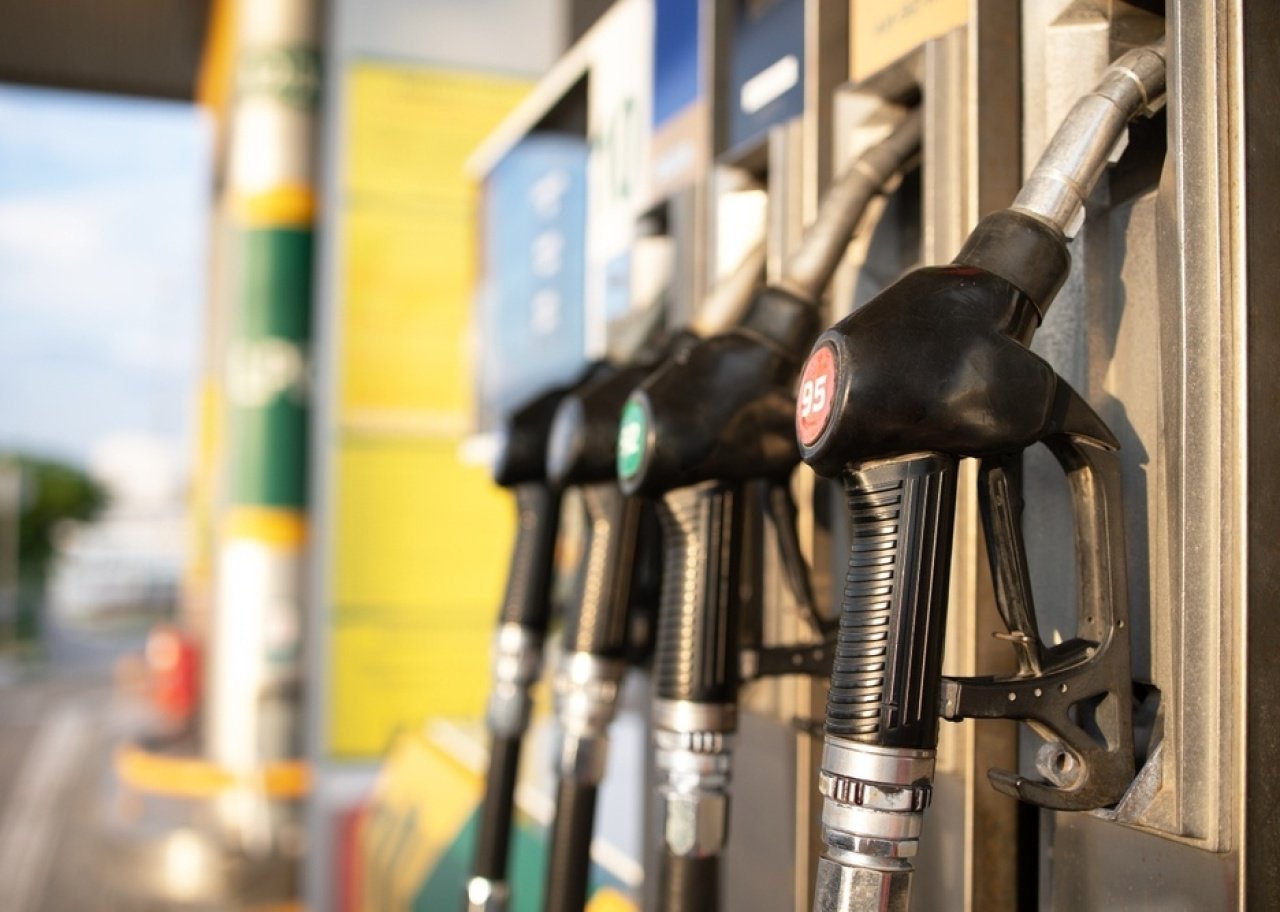
Anyone who drives a car understands the sting of having to fill up their tank and pulling into the gas station, only to discover that gas prices have skyrocketed. Paying extra for gas means you have less to spend on other things, which, over time, can really put a crimp in your budget.

Cheap Insurance explored some of the reasons behind major changes in gas prices, and compiled a list of the cheapest gas stations in every state using data from Gas Buddy.

Gas prices fluctuate based on several factors, including the cost of the key ingredient, crude oil, as well as the available supply and demand for gasoline. If the price of oil rises, a major refinery goes offline, or more drivers are hitting the road, for example, then the cost will increase.

In the first half of 2022, a unique confluence of events led to a surge in gas prices. The increased demand stemming from the COVID-19 pandemic, Russia’s invasion of Ukraine, and a slowdown in oil production all contributed to a national all-time high of $4.93 per gallon on average in June 2022.

Seasons also affect gas prices. Demand tends to drop in winter, but the cost also falls because gas stations switch to a different blend of gasoline that’s optimal for lower temperatures—and has cheaper ingredients.

Location also matters. The South and Midwest tend to have the lowest gas prices, while the West, including Hawai’i, has the highest. Californians, in particular, pay more for gas on average than any other state. That’s because of its high state excise taxes; its isolation from the country’s major pipelines, which causes supply issues; and its requirements that mandate a more environmentally friendly blend of gas that costs more to produce and adds to the price per gallon.

No matter where you live, read on to see if you can get a deal on gas near you.

Alabama
#1. Zippy Mart (5936 Three Notch Rd, Tillmans Corner): $2.19
#1. Clark (7413 Old Pascagoula Rd, Theodore): $2.19
#3. Walmart (7360 Theodrore Dawes Rd, Theodore): $2.21

Alaska
#1. Airport Gas & Oil (4480 Dale Rd, Fairbanks): $2.83
#2. Sunrise Gas (Mile 45 Sterling Hwy, Cooper Landing): $3.25
#3. Speedway Express (43721 S Parks Hwy, Talkeetna): $3.29

Arizona
#1. Maverik (150 N Highway 91, Littlefield): $2.15
#2. Pilot (4031 Fleet St, Littlefield): $2.31
#3. Costco (1650 E Tucson Marketplace Blvd, Tucson): $2.33

Arkansas
#1. Brookshire’s (1310 Constitution Ave, Ashdown): $2.06
#2. Sam’s Club (1250 S Amity Rd, Conway): $2.09
#2. Hogg’s (2511 AR-161, North Little Rock): $2.09

California
#1. Big Valley Market and Fuel (1119 Napo Way, Lakeport): $2.99
#2. Fastrip (692 S San Jacinto Ave, San Jacinto): $3.19
#2. Feather Falls Mini Mart (6032 Lower Wyandotte Rd, Oroville): $3.19

Colorado
#1. Costco (5885 Barnes Rd, Co

Are business credit card rewards taxable?

Kraig Pakulski 0 115 Article rating: No rating

A gold credit card is seen in a pile of gold dust with bokeh circles in the background in a 3D illustration.

robertindiana // Shutterstock


Business credit card rewards can feel like free money. But are they taxable? Most business credit card rewards aren’t taxable because the IRS treats them as rebates on your purchases — even on cards that offer perks like cashback, points, or no annual fee.

That said, not every reward qualifies as a rebate. Understanding which ones count as taxable income helps you stay compliant and avoid surprises at tax time, Ramp reports.

Note: The cashback percentages, limits, fees, and other figures mentioned in this article are for illustrative purposes only. They do not represent guaranteed or expected rates. Actual terms, credit limits, rewards, and approval criteria vary by card issuer and may change at any time. Readers should verify current details directly with each issuer before applying.

Are business credit card rewards taxable income?

In most cases, business credit card rewards aren’t taxable. The IRS generally treats rewards earned through spending as rebates, not income, meaning the cashback, points, or miles you earn from regular business purchases usually won’t increase your tax bill.

If you spend $1,000 on business expenses and earn $20 back in rewards, your actual cost is $980. That $20 isn’t income—it simply reduces what you paid. According to IRS Publication 525, purchase-based rewards are considered price adjustments rather than taxable income. The key difference lies in how you earned those rewards. If they’re tied directly to your spending, they’re rebates that lower your business expenses. If you received them without spending, like a no-strings-attached sign-up bonus, the tax treatment changes.

Think of credit card rewards as a discount at checkout. When you get 10% off at a store, you don’t pay taxes on the savings. The IRS treats purchase-based rewards the same way.

The IRS rebate rule explained

The IRS treats rewards earned from business spending as rebates that reduce your purchase costs rather than taxable income. When you earn rewards from business spending, they’re viewed as a reduction in what you paid, not as new income. For example, if you spend $1,000 and earn $20 back, your actual business expense is $980.

This “rebate rule” means you should technically reduce your deductions by the amount of the reward. If you deducted the full $1,000 purchase, you’d overstate your expense by $20. Most small businesses don’t track these small differences precisely, and the IRS rarely pursues them for minor amounts.

Common non-taxable reward scenarios include:

  • Cashback earned on business purchases like office supplies or travel
  • Points or miles accumulated through business credit card spending
  • Rewards earned from advertising or recurring operational costs

As long as you spent money to earn the reward, it’s considered a rebate that lowers your

Cash out refinance vs. HEI

Kraig Pakulski 0 109 Article rating: No rating

A middle-aged couple having a coffee in their kitchen.

PeopleImages // Shutterstock


Accessing the equity in your home can help you move forward on your financial goals, whether you’re planning major renovations, consolidating high-interest debt, or building long-term stability. Cash-out refinances have long been a familiar option, but rising mortgage rates have prompted many homeowners to explore alternatives, including home equity investments (HEIs).

In this guide, Splitero explains how each option works, what makes them different, and how to decide which one may be the right fit for your financial situation.

Key Takeaways

  • A cash-out refinance replaces your existing mortgage with a new, larger one and gives you the difference as cash. This typically results in a new interest rate, a new loan term, and a new monthly payment.
  • A home equity investment (HEI) provides a lump-sum payment in exchange for a share of the home’s future value, with no monthly payments or interest. An HEI does not replace your existing mortgage.
  • Cash-out refinances function like traditional loans, with repayment based on interest rates and a fixed term, while HEIs operate as investments, which are repurchased later based on your home’s value.
  • Both options help you access your home’s value but differ in cost structure, qualification requirements, and how repayment or repurchase is handled.

What is a cash-out refinance, and how does it work?

A cash-out refinance allows you to replace your current mortgage with a new, larger one and receive the difference in cash. Unlike a rate-and-term refinance (which simply changes your interest rate or loan term), a cash-out refinance increases your loan balance.

At closing, the lender pays off your existing mortgage and issues a new loan for a higher amount. You will receive the extra funds, and your monthly payment, interest rate, or loan term changes based on current market rates, your credit score, and other qualification requirements your lender may have.

According to the Intercontinental Exchange’s August 2025 Mortgage Monitor report, this strategy has been increasingly popular. Cash-out refinances accounted for 59% of all refinance transactions in Q2 2025, and those borrowers withdrew an average of $94,000 in home equity. However, those borrowers also increased their monthly mortgage payment by about $590 on average.

Pros

  • Potentially lower rate: For homeowners whose existing rate is above today’s market rate, a cash-out refinance can lower borrowing costs while also providing access to equity.
  • Familiar repayment structure: A cash-out refinance keeps your financing consolidated into one predictable mortgage payment over a set term, which some homeowners find easier to manage than juggling multiple payments or alternative structures.
  • Opportunity to restructure your mortgage term: A refinance allows you to select a new term length. Some homeowners choose a longer term to reduce their monthly payment, even when taking additional cash, while others use a shorter term to pay off their

Why dry winter air makes it harder to sleep and how to fix it

Kraig Pakulski 0 69 Article rating: No rating

A sick woman wrapped in blanket is sitting on her bed and coughing.

F8 studio // Shutterstock


When winter arrives, dropping temperatures and dry indoor air become part of daily life. While colder months often come with cozy comforts — extra blankets, warmer pajamas, longer nights — the lack of moisture in the air can quietly undermine both your sleep quality and overall wellness.

Winter air holds significantly less humidity than warmer seasons, and once indoor heating systems turn on, moisture levels can fall even further. This combination creates an especially dry sleep environment, which can affect everything from your breathing to your skin and, ultimately, how well you rest at night. Naturepedic explains why.

How Dry Winter Air Can Impact Your Health

Low humidity does more than make the air feel uncomfortable. Dry indoor air has been linked to:

  • Irritation of the respiratory system
  • Congestion
  • Dry skin
  • Increased susceptibility to seasonal illness

And more. Health experts note that winter illness tends to spread more easily for two main reasons. First, people spend more time indoors in enclosed spaces, and lower humidity allows some airborne viruses to remain active in the air for longer periods. In a dry environment, your body’s natural defenses may not function as effectively as they should.

Moreover, the human body is made up of roughly 50 to 70 percent water, and it depends on moisture to maintain healthy systems. When the air around you lacks humidity, your body can lose moisture more quickly, especially while you sleep.

The Role of Moisture in Your Body’s Natural Defenses

One of the first places dry air makes itself known is in your nose and throat.

Your nasal passages are lined with mucous membranes that rely on adequate moisture to work properly. These membranes act as a filtration system, helping trap dust, allergens and other airborne particles before they enter the body. When humidity is too low, these membranes can dry out and become less effective. This can lead to irritation, sore throats and a higher vulnerability to respiratory discomfort during the winter months.

Dry air can also affect your skin and eyes, which depend on moisture to maintain their protective barriers. When skin becomes excessively dry or cracked, it may be less effective at keeping irritants out — another reason winter wellness often starts with your environment.

Can Dry Air Make It Harder to Sleep?

Sleep is a time when the body restores itself, but dry winter air can interfere with that process. Humidity in the bedroom can contribute to nasal dryness, throat irritation and nighttime discomfort — all conditions with the potential to disrupt restful sleep.

Your body already naturally loses moisture while you sleep through breathing and perspiration, which is why many people wake up feeling thirsty. In a dry environment, that moisture loss can be more pronounced, potentially leading to dehydration, Read more

RSS
First42274228422942304232423442354236Last