Why car prices are so high today

Kraig Pakulski 0 32 Article rating: No rating

A young couple checking out a car at a dealership.

taras.chaban // Shutterstock


Has it been a while since you’ve walked into a new vehicle showroom? Expect some serious sticker shock. The typical MSRP for a new ride nowadays is halfway to six figures. Considering steeper purchase prices, it’s little wonder that many drivers hold onto their vehicles longer or opt for used cars.

What’s behind these costly new vehicle prices? Alternatively, what can you expect to pay for a used auto today? What are some factors you need to consider carefully before committing to a vehicle purchase? And how can you shave serious dollars off your car transaction? TheZebra shares answers to these and other questions.

How Much Does It Cost to Own a Car in 2026?

The average transaction price for a new vehicle is currently $49,814, up 1.3% from one year ago, according to November 2025 data from Kelley Blue Book (KBB).

Of course, out-the-door dealership price isn’t the only expense drivers need to take into consideration. On average, owning and operating a new vehicle today costs $11,577, according to AAA.

Here’s some of how that breaks down:

“Beyond the sticker price, buyers need to budget for sales tax, title and registration fees as well as dealer/documentation fees,” says automotive industry expert Lauren Fix, author of Car Coach Reports. “On a typical new vehicle, fees and insurance plus some upfront costs can easily add up to an additional $2,000 upfront.”

Why New Car Prices Were So High in 2025

So, why do vehicle prices remain so elevated? The reasons are plentiful, the experts agree.

“In 2025, new U.S. tariffs on imported cars and auto parts increased manufacturers’ costs, leading to higher prices for buyers. One analysis estimates these tariffs could raise car prices by 10%, or add about $5,000 to the average price of a new car,” says Be

Should you pay rent with a credit card?

Kraig Pakulski 0 37 Article rating: No rating

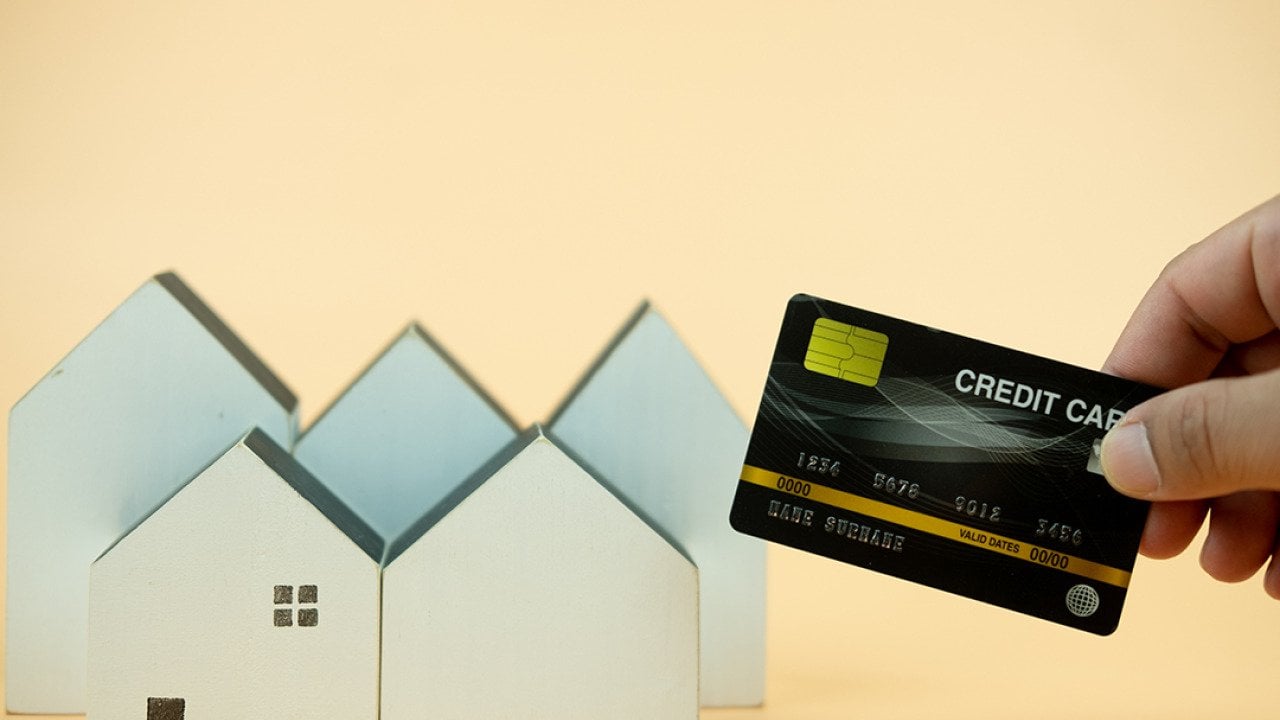
Hand holding a credit card over small figures of houses.

Dontree_M // Shutterstock


Today, “GenZ makes only 1 in 7 payments by cash, compared to 1 in 3 prior to 2020,” according to FNBO, and it has left many of them wondering, “Can I pay rent with a credit card?”

While Gen Z is far from the only group paying rent, tenants across the nation like the convenience and benefits of credit card payments. First, when digital options are available, they don’t have to go to the bank to withdraw cash or buy a cashier’s check. Second, and more importantly, many credit cards offer cash back and travel rewards that make the first of the month a little less painful.

With that in mind, TurboTenant breaks down the pros and cons of paying and collecting rent via credit cards to help you determine if it’s the right move for you.

Benefits of Paying Rent with a Credit Card for Tenants

Paying rent with a credit card offers several advantages, primarily flexibility. If you don’t have enough cash in the bank to pay rent when it’s due, using a credit card can give you some wiggle room to avoid missing a payment.

And depending on your card, there are personal benefits worth considering.

Rewards

Credit cards typically offer a range of rewards for account holders. Some incentives include cash back, travel rewards, and 0% APR, meaning there is no interest on balances or transfers for a set period.

For example, if you pay rent with a credit card that offers travel rewards, each rent payment can help you put aside some money for your next trip.

Credit Building

If you’re starting to build your credit score, remember that you won’t have an official score until six months of consistent payments and data are available. However, once you consistently make on-time payments on your card charges, including your monthly rent, your score will improve.

Plus, putting your monthly rent on a credit card isn’t the only way to boost your score. Several companies offer rent reporting services that will report your on-time payments to credit bureaus. When you use these tools in conjunction, you could see your score improve quickly.

Buying More Time

Since credit cards don’t have to be paid off until you get your monthly statement from the credit card company, paying your rent with a credit card can help alleviate financial stress.

Of course, everyone’s pay schedule is different, and some people may not receive their paychecks until later in the month, while rent is typically due on the first of the month. Putting rent on your credit card can help reduce stress and make the monthly calendar change easier to manage.

How to Pay Rent with a Credit Card

Communicating with your landlord during difficult times

Valuations in 2026: Why today’s 'expensive' market might not be as risky as it seems

Kraig Pakulski 0 36 Article rating: No rating

Traders work on the floor of the New York Stock Exchange during morning trading on January 06, 2026 in New York City.

Photo by Michael M. Santiago // Getty Images


One of the biggest investor concerns entering 2026 is that markets seem “too expensive” to keep climbing. It’s true that the S&P 500’s valuation is high relative to history—not far from levels that preceded the dot-com bubble.

Stock exchange graph showing the 'dot-com bubble' in the 1990s versus from today's.

Range

But comparing today’s price-to-earnings ratio to historical averages is too simplistic. Added context reveals a market that’s elevated but not nearly as extended as the late 1990s. Range explains why the comparison falls apart when you look closer.

Three Reasons Today Is Different from 1999

1. Tech Is Trading at Significant Discount vs. 1999

There has been significant attention on tech valuations in particular. This isn’t a surprise, as the tech heavy “Mag-7” has dominated market performance for the last three years. However, the reality is that the largest tech companies are not trading anywhere near the nosebleed valuations reached during the dot-com mania. In 2000, the S&P 500 Technology Index was trading at nearly 60x P/E. Today, this index is trading at a much more reasonable ~26x, or nearly 60% cheaper than the prior peak.

Stock exchange graph the S&P 500 Technology Index in trading in the 2000s versus today.

Range

2. The Overall Index Is of Significantly Higher Quality

The composition of the S&P 500 has also fundamentally changed over the past 25+ years. In the late 1990s, many of the most “exciting” companies were early-stage, cash-burning businesses with unproven models—particularly across the internet/telecom complex. Today’s index is far more heavily weighted toward high-margin, asset-light platform businesses with fortress balance sheets and durable free-cash-flow generation.

This matters because cash flow is what ultimately pays investors. When you look at valuation on a cash flow basis, using a price-to-free-cash-flow multiple instead of P/E, the valuation story of the S&P 500 looks dramatically different. Today’s index is of much higher quality, and trading at a wide discount to levels reached preceding the dot-com crisis.

A data bar graph showing S&P 500 price or free</div>
	<div class=Read more

Natural ways to reduce snoring and sleep more quietly

Kraig Pakulski 0 24 Article rating: No rating

A couple sleeping in bed together where the wife is disturbed by her husband's snoring.

EHStockphoto // Shutterstock


In cartoons, snoring seems to equate deep, sound sleep — but, that’s far from the case in real life. Snoring can contribute to sleep deprivation, mental health struggles and more. Whether you’re tired of your sleep partner’s nightly serenade or you’re the culprit causing it, you’re not alone.

According to Johns Hopkins Medicine, 45% of adults snore at least occasionally, and a quarter of all adults snore regularly. That makes for a lot of people who likely aren’t getting the quality of sleep they need. Naturepedic explores some natural remedies for snoring.

Common Causes of Snoring

Step one to stop snoring is understanding why it occurs in the first place. Snoring is essentially the result of airflow obstruction during sleep. As you drift into slumber, the muscles in your throat relax, causing the airway to narrow. This narrowing leads to the vibration of the soft tissues in your throat, creating that infamous snoring sound.

Other factors can contribute to this phenomenon.

  • Obesity: Carrying excess weight, especially around the neck, can put pressure on the airway, making snoring more likely.
  • Sleep Position: Sleeping on your back often allows your tongue and soft palate to collapse to the back of your throat, obstructing airflow.
  • Alcohol and Sedatives: These substances relax the throat muscles, increasing the likelihood of snoring.
  • Nasal Congestion: When your nasal passages are blocked, you’re more likely to breathe through your mouth, which can lead to snoring.
  • Age: As you age, the throat muscles tend to weaken, making snoring more prevalent.
  • Smoking: Smoking irritates and inflames the throat, contributing to snoring.
  • Sleep Apnea: A severe condition where breathing repeatedly stops and starts during sleep, sleep apnea is a significant cause of loud snoring and should be diagnosed and treated by a medical professional.

4 Natural Remedies for Snoring

Let’s explore some natural remedies for snoring that can help you enjoy healthier sleep and more restful nights.

1. Start with Your Pillow

Take a look at your sleep space. Your choice of pillow can play a significant role in your snoring habits. Are you sleeping on an old, flat, yellow pillow? It might be time to upgrade.

Elevating your head can help to keep your airway open. Adjustable bed frames can achieve this effect, but something as simple as your pillow can make a big difference, too. Choose a lofty, supportive pillow, and make sure you’re Read more

5 emerging digital ID trends in 2026 that could redefine your online persona

Kraig Pakulski 0 36 Article rating: No rating

Person using a laptop illustrated with graphics of digital user login interface.

NMStudio789 // Shutterstock


Identification has always been a priority for modern society — a way to instill trust in others that a person is who they say they are. Today, IDs are used for everything from applying for a library card to preventing financial fraud. Without them, personal accountability, security, and authenticity can become lost.

With more aspects of individuals’ lives going online, digital identification has emerged as a necessity for verifying someone’s identity. What started as entering a simple password has evolved into facial and fingerprint recognition. Today, these methods have progressed even further into complex identification systems like advanced biometrics.

To keep you up to date with the latest trends, Spokeo covers what you need to know in the digital ID space in 2026, including the death of passwords and the rise of decentralized identification.

1. Goodbye passwords, hello passkeys

The days of password books and locked-out accounts are over. Passkeys are a way to access all of your accounts with a single tap. They are a standard-based technology that relies on WebAuthn to verify authentication.

As described by Apple, they work through public key cryptography. This is a form of encryption in which a public key is stored server-side and a private key is stored device-side. When these two keys come together, they “unlock” the account. There are several benefits to this technology over regular passwords, including convenience for the user and resistance to common cybersecurity attacks like brute-force.

The acceptance of passkeys is growing. A 2025 study by the FIDO Alliance found that 75% of survey respondents are now aware of passkeys, with 53% believing they offer greater security and 54% believing they offer greater convenience. Respondents were sourced from three million survey takers on SurveyMonkey. Data was weighted for age, sex, education, and geography.

2. Mobile driver’s licenses and digital wallets

Driver’s licenses have often been the gold standard of identification and are used for verification in a range of industries. There is now a shift towards mobile driver’s licenses, stored in digital wallets on smartphones. Nineteen states and Puerto Rico are now participating in mobile driver’s license programs, although physical IDs are still required when traveling.

The National Cybersecurity Center of Excellence is currently collaborating with these states to roll out pilot programs for mDLs in the financial sector. This will make it easier for consumers to comply with authentication requests.

3. Behavioral biometrics might know you better than you know yourself

Once the stuff of sci-fi films, biometr

RSS
First38193820382138223824382638273828Last