Are Ozempic and Wegovy knock-offs safe? What to know about compounded GLP-1s

Kraig Pakulski 0 75 Article rating: No rating

A vial with injectable compound and a syringe.

Anna Hoychuk // Shutterstock


Whether it’s due to an ingredient allergy or other reasons, compounding pharmacies can help tailor a custom-made medication to meet your needs. And when drug shortages happen, they can play an important role, too.

Two semaglutide injections, Ozempic and Wegovy, were previously affected by shortages. Given the demand, some compounding pharmacies jumped at the opportunity to fill a medical need. By mixing up semaglutide injections from scratch, they could help people continue treatment until the shortage was over.

Under certain conditions, the FDA may allow pharmacies to make medications that are in shortage. But as of February 2025, the FDA declared that the semaglutide shortage was resolved. Even so, compounded semaglutide products may not disappear completely. In this case, compounded semaglutide may seem like a tempting alternative. But is it worth the risk? GoodRx, a platform for medication savings, highlights what people should know about compounded semaglutide.

Compounded semaglutide is a medication that’s custom-made by a compounding pharmacy. It contains the active ingredient semaglutide, which is a glucagon-like peptide-1 (GLP-1) receptor agonist. Semaglutide is found in three FDA-approved medications: Ozempic, Wegovy, and Rybelsus.

Does this mean that compounded semaglutide is the same as Ozempic, Wegovy, or Rybelsus? The short answer: No. And these products are not “generic Ozempic” or “generic Wegovy.” Generic drugs are FDA-approved and must show that they’re bioequivalent to the brand-name drug. There are no FDA-approved generics of these medications yet.

You may see compounded semaglutide in several different dosage forms, including:

  • Injections
  • Sublingual (under the tongue) drops
  • Orally disintegrating tablets (ODTs)
  • Oral capsules or tablets
  • Nasal sprays

Compounded semaglutide medications are not FDA-approved. Their safety and effectiveness haven’t been established. So it’s no

Gen Z earnings premium: Cities where young workers are excelling

Kraig Pakulski 0 86 Article rating: No rating

An aerial view of Hollywood Beach, Florida on a clear day.

Felix Mizioznikov // Shutterstock


While some members of Gen Z may still be working entry-level jobs while attending high school or college, much of this cohort has now entered the workforce in earnest. As the least experienced generation on the schedule, Gen Z is generally paid less than their older counterparts, with this holding true in 93% of cities. But in a handful of locations, Gen Z offers skills and expertise — and sometimes youth itself — that help these workers pull ahead against the odds and earn more than older generations.

With this in mind, SmartAsset ranked 354 of the largest U.S. cities based on the percentage difference between the local median income for people aged 15 to 24 compared to the rest of the local population.

Key Findings

  • Gen Z earns a 70% premium in Hollywood, Florida. The median Gen Z household earned $121,317 in Hollywood in 2024, compared to $71,067 for all households — a 70.7% difference. Clearwater, Florida, has the second-highest advantage for Gen Z households with a 58.7% disparity. Young households earned $105,280 compared to a $66,357 median across all households.
  • In all, Gen Z out-earns other generations in 7% of cities. While it’s rare for young up-and-comers to outperform older households for income, some economic dynamics make it possible. Studywide, Gen Z had a positive earnings premium in 24 out of 354 cities, with roughly half in Florida or California. Others include Federal Way, Washington; Lynn, Massachusetts; Kent, Washington; Fort Wayne, Indiana; Newport News, Virginia; Jackson, Michigan; and Brownsville, Texas, among others.
  • The median Gen Z income in this city is over $160,000. Gen Z earns the most in Sunnyvale, California, where the median income for that age group is $162,486. However, this is 10.2% lower than the median income across all households in this high-earning city ($181,022). This negative earnings premium puts Sunnyvale at the 37th best overall for Gen Z’s earnings.
  • The median Gen Z income is less than $50,000 in more than half of cities. For most young people, income tends to be lower than across all households. People aged 15 to 24 are generally at the bottom of the earnings totem poll. In fact, the median Gen Z income is lower than the 2024 U.S. median household income in 91% of cities surveyed.

A list of 25 U.S. cities ranked based on the percentage difference in annual median income for Gen Z households versus all local households in 2024.

SmartAsset

24 Cities Where Gen Z Makes More Than the Median Household

Out of 354 cities, Gen Z earns more than their older counterparts in just a handful of places.

  1. Hollywood, Florida
  • Gen Z earnings premiu

Absenteeism is on the rise in the workplace. Here's how leaders can address it

Kraig Pakulski 0 87 Article rating: No rating

A woman at home on the couch, wrapped in a blanket talking on the phone with a laptop on her lap.

PeopleImages // Shutterstock


When employees are unwell or juggling too much, elevated rates of absenteeism are one signal for organizations to look for. And that signal comes at a cost for organizations. The Centers for Disease Control and Prevention (CDC) reports that the cost is $1,685 per employee per year. For an organization with 600 employees, absenteeism costs would exceed $1 million annually. That’s why it’s essential to define absenteeism, so organizations can see what’s driving it and address those factors before it becomes a bigger (and more expensive) issue.

Spring Health examined the rising issue of workplace absenteeism and strategies for addressing it.

How to define absenteeism

Absenteeism refers to frequent or prolonged absence from work, often beyond what is considered normal or acceptable. While occasional absences due to illness or emergencies are expected, consistent absenteeism can signal underlying challenges such as stress, burnout, or unmet mental health needs.

High levels of absenteeism can affect workplace productivity, team morale, and overall organizational performance.

Is absenteeism on the rise?

Absentee rates in the U.S. have been stubbornly high since the COVID-19 pandemic. In 2019, the Bureau of Labor Statistics (BLS) reported a workplace absence rate of 2.8%. In 2024, that number had reached 3.2%. In some sectors, such as healthcare support and social services, the rate is well over 4%.

An important note: The BLS absence rates only include time missed for illness, injury, or childcare challenges—not time off for vacations, personal days, or holidays.

What is the difference between absence and absenteeism?

Generally speaking, an absence from work would include any type of reason for missing work. Absenteeism includes only consistent absences from work that are often unplanned or unusual, and these absences could be a sign of a chronic, underlying, or organizational problem.

What is an example of absenteeism?

A customer service manager at a large retail chain takes a three-week leave due to burnout. To fill the gap, the team rotates coverage across three other managers. While the department remains technically staffed, key performance indicators begin to decline, including:

  • Response times slow
  • Customer complaints increase
  • Team morale

Additionally, each replacement manager struggles to juggle their own duties with the added load.

According to the Society for Human Resource Management (SHRM), replacement workers are typically around 30% less productiv

Cheapest gas stations in every state Dec. 18, 2025

Kraig Pakulski 0 94 Article rating: No rating

Elena Babanova // Shutterstock


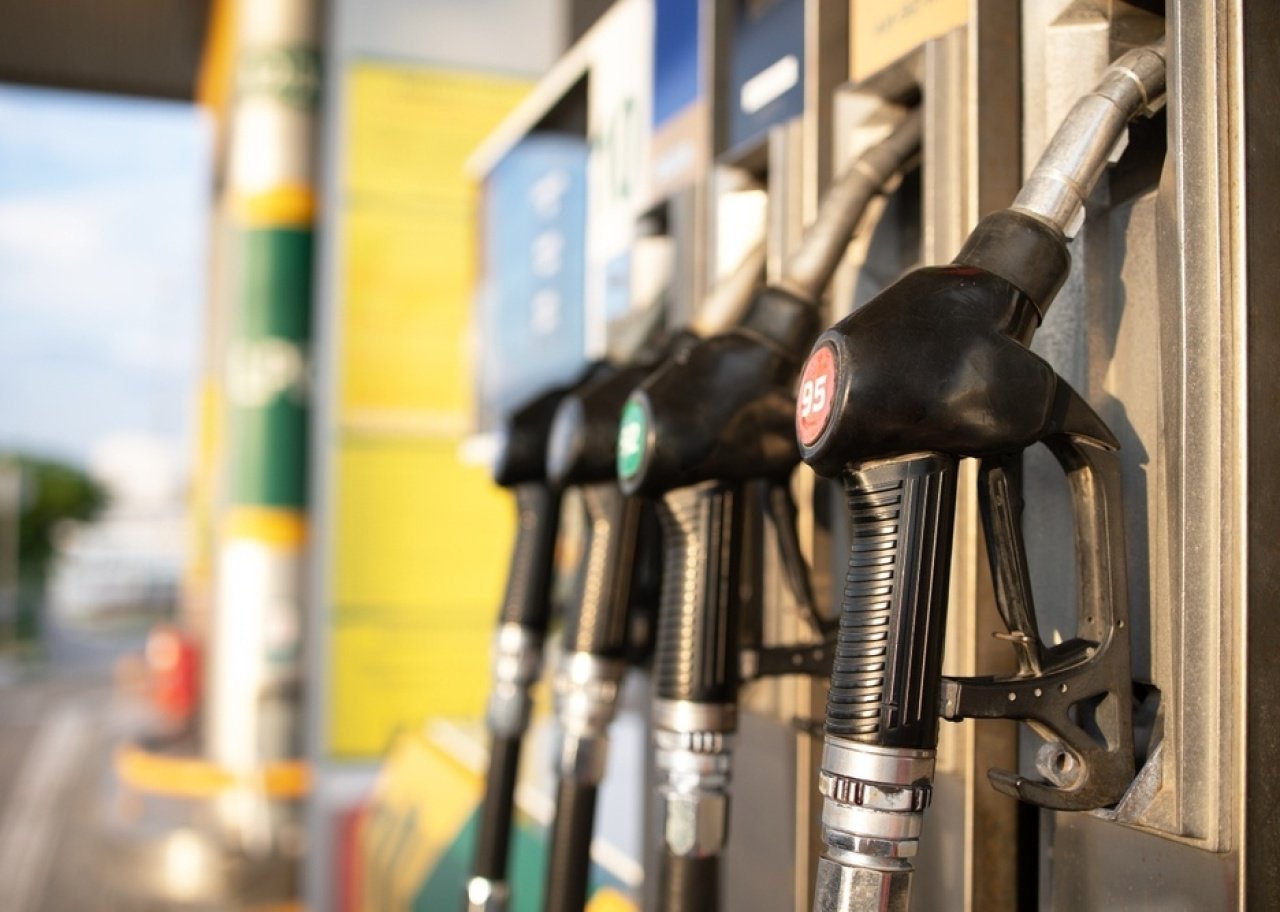
Anyone who drives a car understands the sting of having to fill up their tank and pulling into the gas station, only to discover that gas prices have skyrocketed. Paying extra for gas means you have less to spend on other things, which, over time, can really put a crimp in your budget.

Cheap Insurance explored some of the reasons behind major changes in gas prices, and compiled a list of the cheapest gas stations in every state using data from Gas Buddy.

Gas prices fluctuate based on several factors, including the cost of the key ingredient, crude oil, as well as the available supply and demand for gasoline. If the price of oil rises, a major refinery goes offline, or more drivers are hitting the road, for example, then the cost will increase.

In the first half of 2022, a unique confluence of events led to a surge in gas prices. The increased demand stemming from the COVID-19 pandemic, Russia’s invasion of Ukraine, and a slowdown in oil production all contributed to a national all-time high of $4.93 per gallon on average in June 2022.

Seasons also affect gas prices. Demand tends to drop in winter, but the cost also falls because gas stations switch to a different blend of gasoline that’s optimal for lower temperatures—and has cheaper ingredients.

Location also matters. The South and Midwest tend to have the lowest gas prices, while the West, including Hawai’i, has the highest. Californians, in particular, pay more for gas on average than any other state. That’s because of its high state excise taxes; its isolation from the country’s major pipelines, which causes supply issues; and its requirements that mandate a more environmentally friendly blend of gas that costs more to produce and adds to the price per gallon.

No matter where you live, read on to see if you can get a deal on gas near you.

Alabama
#1. Zippy Mart (5936 Three Notch Rd, Tillmans Corner): $2.19
#1. Clark (7413 Old Pascagoula Rd, Theodore): $2.19
#3. Walmart (7360 Theodrore Dawes Rd, Theodore): $2.21

Alaska
#1. Airport Gas & Oil (4480 Dale Rd, Fairbanks): $2.83
#2. Sunrise Gas (Mile 45 Sterling Hwy, Cooper Landing): $3.25
#3. Speedway Express (43721 S Parks Hwy, Talkeetna): $3.29

Arizona
#1. Maverik (150 N Highway 91, Littlefield): $2.15
#2. Pilot (4031 Fleet St, Littlefield): $2.31
#3. Costco (1650 E Tucson Marketplace Blvd, Tucson): $2.33

Arkansas
#1. Brookshire’s (1310 Constitution Ave, Ashdown): $2.06
#2. Sam’s Club (1250 S Amity Rd, Conway): $2.09
#2. Hogg’s (2511 AR-161, North Little Rock): $2.09

California
#1. Big Valley Market and Fuel (1119 Napo Way, Lakeport): $2.99
#2. Fastrip (692 S San Jacinto Ave, San Jacinto): $3.19
#2. Feather Falls Mini Mart (6032 Lower Wyandotte Rd, Oroville): $3.19

Colorado
#1. Costco (5885 Barnes Rd, Co

Are business credit card rewards taxable?

Kraig Pakulski 0 115 Article rating: No rating

A gold credit card is seen in a pile of gold dust with bokeh circles in the background in a 3D illustration.

robertindiana // Shutterstock


Business credit card rewards can feel like free money. But are they taxable? Most business credit card rewards aren’t taxable because the IRS treats them as rebates on your purchases — even on cards that offer perks like cashback, points, or no annual fee.

That said, not every reward qualifies as a rebate. Understanding which ones count as taxable income helps you stay compliant and avoid surprises at tax time, Ramp reports.

Note: The cashback percentages, limits, fees, and other figures mentioned in this article are for illustrative purposes only. They do not represent guaranteed or expected rates. Actual terms, credit limits, rewards, and approval criteria vary by card issuer and may change at any time. Readers should verify current details directly with each issuer before applying.

Are business credit card rewards taxable income?

In most cases, business credit card rewards aren’t taxable. The IRS generally treats rewards earned through spending as rebates, not income, meaning the cashback, points, or miles you earn from regular business purchases usually won’t increase your tax bill.

If you spend $1,000 on business expenses and earn $20 back in rewards, your actual cost is $980. That $20 isn’t income—it simply reduces what you paid. According to IRS Publication 525, purchase-based rewards are considered price adjustments rather than taxable income. The key difference lies in how you earned those rewards. If they’re tied directly to your spending, they’re rebates that lower your business expenses. If you received them without spending, like a no-strings-attached sign-up bonus, the tax treatment changes.

Think of credit card rewards as a discount at checkout. When you get 10% off at a store, you don’t pay taxes on the savings. The IRS treats purchase-based rewards the same way.

The IRS rebate rule explained

The IRS treats rewards earned from business spending as rebates that reduce your purchase costs rather than taxable income. When you earn rewards from business spending, they’re viewed as a reduction in what you paid, not as new income. For example, if you spend $1,000 and earn $20 back, your actual business expense is $980.

This “rebate rule” means you should technically reduce your deductions by the amount of the reward. If you deducted the full $1,000 purchase, you’d overstate your expense by $20. Most small businesses don’t track these small differences precisely, and the IRS rarely pursues them for minor amounts.

Common non-taxable reward scenarios include:

  • Cashback earned on business purchases like office supplies or travel
  • Points or miles accumulated through business credit card spending
  • Rewards earned from advertising or recurring operational costs

As long as you spent money to earn the reward, it’s considered a rebate that lowers your

RSS
First42254226422742284230423242334234Last