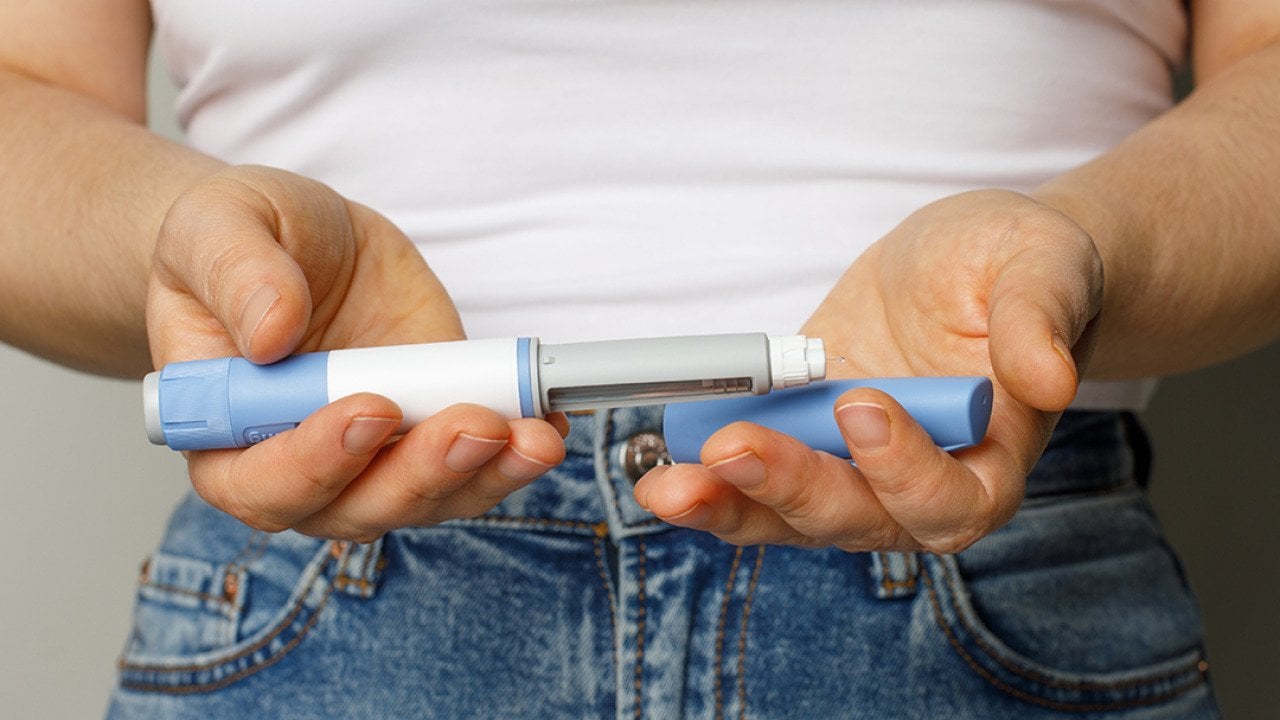
MillaF // Shutterstock
Not just a buzzword, “Ozempic face” represents a real concern for some. A bariatric surgeon shares the causes, solutions and expert advice everyone should know
Ozempic, a medication initially developed to treat type 2 diabetes, has garnered considerable attention for its weight loss benefits. But its rapid slimming effects have caused a less welcome result for some: changes to the face that many refer to as “Ozempic face.”
This phenomenon, characterized by a gaunt or hollowed-out appearance, can be a source of anxiety for those undergoing treatment. While it’s essential to acknowledge the cosmetic impact, Andrea Bedrosian, MD, Northwell Health bariatric surgeon, explains that, unlike some of the more concerning side effects of Ozempic, this does not pose a serious health risk — nor is it new.
What is Ozempic face?
Ozempic face is a colloquial term, not a medically recognized condition. It describes the facial changes that can accompany rapid weight loss when using medications like Ozempic or another version of the same drug (generic name semaglutide) FDA-approved for weight-loss treatment. As Dr. Bedrosian explains, “Ozempic will help you lose a lot of weight in a relatively short period of time. And when that happens, a lot of people will see that initial weight loss in their face first.”
This rapid loss of facial fat can lead to sunken cheeks and temples, making the bones of the face appear more prominent.” Additionally, the skin may lose elasticity and sag, accentuating existing wrinkles and fine lines.
Dr. Bedrosian emphasizes that these changes are primarily a consequence of rapid weight loss itself, not a direct side effect of Ozempic. Similar changes can occur with any form of significant weight loss, including bariatric surgery and restrictive diets. “It’s a pretty common thing,” she says. “You’re just hearing about it more because so many more people are on this medication.
Ultimately, it’s just a sign of anybody who’s losing a significant amount of weight in a short period of time.”
Ozempic butt
“Ozempic butt” is another buzzword that has entered the Zeitgeist since Ozempic hit the market in 2017. “It’s not a common complaint we get,” Dr. Bedrosian says, “but certainly, things can get saggy after rapid weight loss.”
You may notice sagging skin more prominently in certain areas with a lot of tissue and fat, like the butt, belly, thighs and face (mainly around the cheeks).
Understanding Ozempic and weight-loss drugs
Ozempic belongs to a class of drugs called GLP-1 receptor agonists. These medications mimic a naturally occurring hormone, GLP-1, which regulates blood sugar and appetite. By increasing satiety and reducing hunger, Ozempic helps individuals consume fewer calories, leading to weight loss. Dr. Bedrosian notes that while bariatric surgery remains the gold standard for weight loss, medications like Ozempic and Wegovy, as well as Mounjaro (FDA-approved to trea