Flu medicine: 10 popular OTC and prescription options

Kraig Pakulski 0 212 Article rating: No rating

A sick man with flu lying in bed.

Elnur // Shutterstock


When the flu hits, finding the right medicine quickly can make a big difference in how you feel and recover. Whether you want to ease symptoms or shorten the illness, knowing your options is key. This guide from telehealth platform Doctronic breaks down the top over-the-counter (OTC) and prescription flu medicines, so you can make informed choices and get back to feeling like yourself.

Key Takeaways

  • OTC flu medicines mainly relieve symptoms like fever, congestion, and aches, but do not cure the flu.
  • Prescription antiviral drugs can reduce flu duration and complications if started early.
  • Combining rest, hydration, and the right medicine helps speed recovery.
  • Always consult a healthcare professional if symptoms worsen or you have underlying health conditions.

How to Manage Flu Symptoms With OTC and Antiviral Medications

Understanding the role of over-the-counter (OTC) medications is crucial for managing flu symptoms effectively. While these medications can provide temporary relief, they do not address the underlying viral infection. Common OTC options include acetaminophen or ibuprofen for fever and aches, as well as decongestants to alleviate nasal congestion. It’s important to read labels carefully and follow dosing instructions to avoid potential side effects or interactions with other medications. Some OTC products may contain multiple active ingredients, which can inadvertently lead to an overdose if combined with other medications.

The importance of early intervention with prescription antiviral medications cannot be overstated. Drugs such as oseltamivir (Tamiflu) and zanamivir (Relenza) are designed to inhibit the flu virus’s ability to replicate, thereby shortening the duration of illness and mitigating severe complications, especially in high-risk populations.

Understanding Flu Medicine: What Works and What Doesn’t

OTC Medicines: Symptom Relief at Your Fingertips

Over-the-counter flu medicines are designed to manage symptoms, not to eliminate the virus itself. These include pain relievers, decongestants, cough suppressants, and antihistamines. They provide comfort by reducing fever, easing body aches, and clearing nasal congestion.

Prescription Antivirals: Targeting the Flu Virus

Unlike OTC options, prescription antiviral drugs work by attacking the flu virus directly. When taken within the first 48 hours of symptoms, they can shorten the illness by one to two days and reduce the risk of serious complications. These medications require a doctor’s prescription.

5 Popular Over-the-Counter Flu Medicines

1. Acetaminophen (Tylenol)

Acetaminophen is a go-to for reducing fever and relieving aches. It’s gentle on the stomach and safe for most people when taken as directed. Avoid combining it with other acetaminophen-containing products to prevent overdose.

2. Ibuprofen (Advil, Motrin)

Ibuprofen also reduces fever and inflammation. It may be preferred if you experience muscl

Make home maintenance your New Year's resolution: 9 DIYs for 2026

Kraig Pakulski 0 201 Article rating: No rating

Man changing a folded dirty air filter of an HVAC system.

Steve Heap // Shutterstock


Fewer Americans are making New Year’s resolutions, according to recent surveys showing a steady decline in the aspirational custom — with 44% of Americans making one back in 2022 (down from 50% the previous year), according to Medifast surveys, and 37% for 2023 compared to 31% for 2026, according to YouGov polls. And is it any wonder? Trotting out all the cliched, overly optimistic objectives like “get in shape” or “read more” (who has the time?), or “save money” (in this economy?), or “be a nicer person” (how’s that workin’ out for ya?), we may as well resolve to rub a genie out of a lamp to grant us three wishes … and then use our first wish to wish for more wishes.

But making a New Year’s resolution to start keeping up with basic home maintenance tasks you’ve been neglecting partially or entirely for as long as you can remember? Now, that’s a self-improvement promise you’re capable of keeping — and it could even help you with at least one of those other resolutions (saving money).

Whether you’re ringing in the new year or just trying to make it through the current one, HomeServe has rounded up a post-holiday to-do list of home maintenance tasks that will improve your home life.

Here are seven ways you can resolve to take better care of your home in the new year.

1. Change Your HVAC Filter

Changing out the filter in your heating, ventilation and air conditioning system is one of the simplest, yet most vital, home maintenance tasks you can do. Unfortunately, it’s also one of the most neglected. When you replace the filter regularly — every three months, at least — you can reduce your energy bills, improve air quality and extend the life of your HVAC unit. Check this one off the list, and you’ll literally be breathing easier in the new year.

2. Drain Your Water Heater

You’ll be shocked — and probably more than a little grossed out — when you see the filth that flows out of your water heater when you drain it, especially if you’ve neglected it for far too long. That’s because silt, sediment and other stuff build up over time and settle in your water heater. Draining and flushing it regularly (once a year is generally advisable) will not only improve the efficiency of your system but extend the life of this vital household appliance, saving you money in the long run and helping prevent an outage when you least expect it — like when you have a house full of holiday houseguests, a sink full of dirty dishes, a hamper full of used towels and no hot water for showers.

3. Clean Your Refrigerator Coils

When’s the last time you cleaned your fridge coils? L

New anxiety medications are in the pipeline for 2026

Kraig Pakulski 0 186 Article rating: No rating

Medication and pills on top of a surface with the word 'anxiety'.

Minerva Studio // Shutterstock


After more than a decade without major breakthroughs in anxiety medication, several promising treatments are now moving through clinical trials. These investigational options use new delivery systems, novel mechanisms or compounds different from traditional selective serotonin reuptake inhibitors (SSRIs) and benzodiazepines. If approved, LifeStance Health highlights that they may change how clinicians approach conditions such as generalized anxiety disorder (GAD), social anxiety disorder and anxiety that occurs alongside depression.

Below is a look at several anxiety-related medications expected to reach important trial milestones or potential FDA consideration in 2026.

MM120: A breakthrough approach using psychedelic science

MM120 is an investigational treatment being developed by MindMed for generalized anxiety disorder (GAD). It uses a small, precisely controlled dose of a psychedelic compound (a form of LSD) that dissolves on the tongue.

In a Phase 2 study, participants reported improvement in anxiety symptoms after a single dose, with potential benefits observed for up to 12 weeks.

MM120 is now in Phase 3 of clinical trials, which are evaluating its effectiveness and safety. Researchers conducting these trials are measuring changes in anxiety symptoms over 12 weeks and following participants for up to one year to assess long-term outcomes.

If successful, MM120 may become the first psychedelic-derived treatment the FDA has approved for GAD, offering a potentially fast-acting and long-lasting option for individuals who have not had success with existing treatments.

GlyphAllo: A novel pathway for depression with anxious distress

Seaport Therapeutics is developing Glyph Allopregnanolone (GlyphAllo) to treat major depressive disorder (MDD), including depression that occurs with significant anxiety symptoms.

The body naturally produces allopregnanolone, a hormone-like substance that helps the brain manage stress and regulate mood. Historically, allopregnanolone has only been available as an intravenous (IV) injection because the body does not absorb it well when taken orally.

GlyphAllo is designed to improve oral absorption so that more of the medication reaches the brain. It remains in clinical trials, and researchers are studying whether GlyphAllo may provide a new treatment option for depression with anxious distress.

Fasedienol: A nasal spray for social anxiety disorder

Meanwhile, Vistage

Teen depression treatment: Evidence-based options that work

Kraig Pakulski 0 182 Article rating: No rating

Rear view of a male teenager sitting alone at the top of a hill and watching sunset while listening to headphones.

mooremedia // Shutterstock


Teens with depression have to navigate the challenges of living with a mood disorder, along with the usual academic and social pressures of high school. A depression diagnosis may be unsettling, but there are several different ways to treat depression in teens — including some that are low-risk and highly effective. Being the parent or loved one of a teen with depression has its own challenges — help and resources are available for you, too.

Depression can affect people of any age — including teens. In fact, the National Institute of Mental Health estimates that 5 million, or 20.1%, of adolescents aged 12 to 17 in the United States have had at least one major depressive episode. Yet despite depression in teenagers being quite prevalent, only 40.6% of teens with a major depressive episode receive treatment for the mental health condition.

If you’re looking for a clear, comprehensive, and compassionate guide to treatments for teen depression, you’ve come to the right place. Radial explores what works, what to expect, and how families can help.

What is teen depression?

Depression in teens is a serious mood disorder that causes ongoing feelings of sadness, emptiness, or hopelessness and a loss of interest in things someone used to enjoy. While it’s normal to be sad for a few days, depression can last for months or years.

Teen depression statistics vary, but globally, it’s estimated that 1.3% of adolescents aged 10–14 years, and 3.4% of 15–19-year-olds are currently experiencing a serious depression, according to the World Health Organization. “In any given year, a teen is more likely to have disabling depression than catching the flu,” says Eugene Grudnikoff, MD, a child and adolescent psychiatrist practicing in New York.

A data graphic with two oval charts showing that 20.1% of adolescents aged 12 to 17 have had at least one major depressive episode and that 40.6% of teens receive treatment for depression.

Radial

Symptoms of teen depression

Teens with depression have one or more of these symptoms most of the time:

  • Sadness
  • Feeling of emptiness
  • Hopelessness
  • Being angry, irritable, or fr

What financial resolutions should you be making for 2026?

Kraig Pakulski 0 186 Article rating: No rating

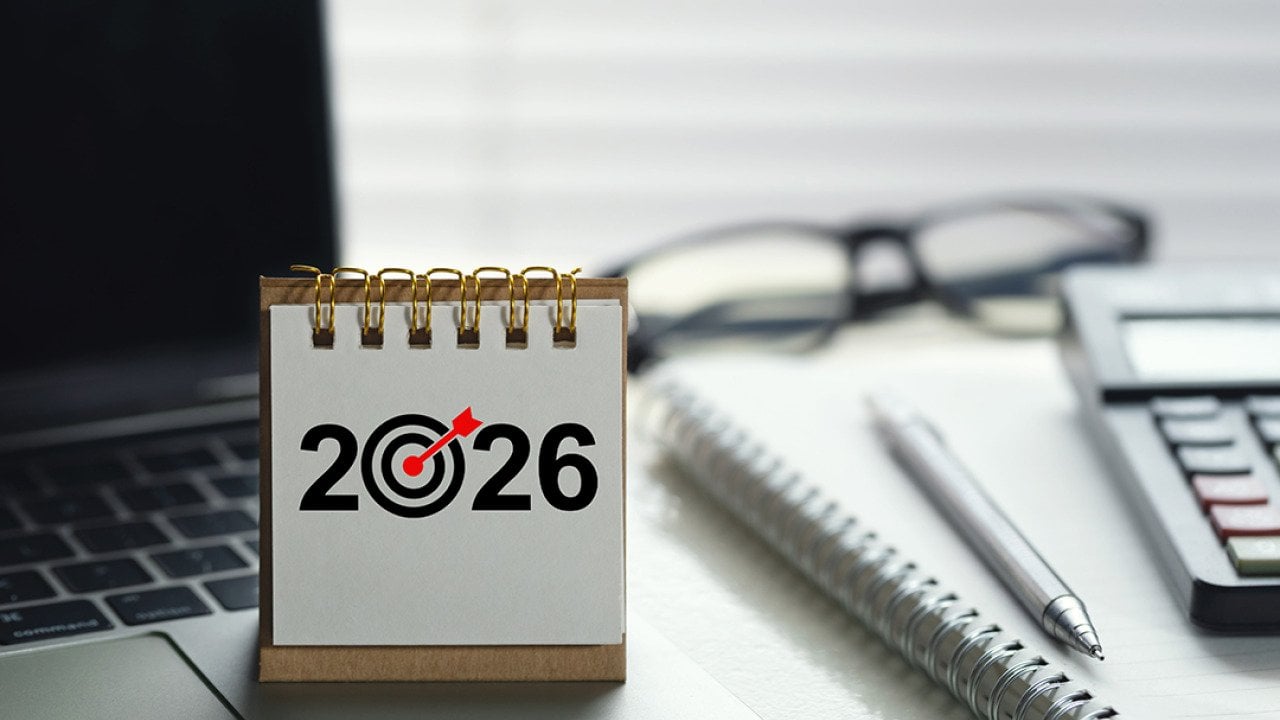
A desk calendar for 2026 with a target icon on top of a laptop among other office desk items.

chayanuphol // Shutterstock


At the end of the year, music lovers get their Spotify Wrapped reports, summarizing all the tunes they listened to in 2025.

What if you analyzed your money goals in the same way?

In other words, as 2026 begins, it is a great time to review the financial milestones you were striving for this year — and to use those results to chart a better path this year.

As it happens, Current, a consumer fintech banking platform, knows exactly what money goals people were aiming for in 2025, thanks to a survey from financial information site Bankrate. The top one, by a significant margin: Paying down debt, identified by 21% of people. Other top responses included saving more money for emergencies and getting a higher-paying job.

Of course, life requires people to juggle many different financial aims at once. The real challenge is finding the right balance, so you can make progress on multiple goals in 2026.

“The number one task is to identify your top priorities,” says Mark Hamrick, Bankrate’s senior economic analyst. “It’s not unlike putting together a puzzle. Once you get an idea of what your puzzle pieces are and how they fit together, that’s part of the process of doing the work and attaining your financial goals over a lifetime.”

So looking back, how did Americans fare in 2025? Here’s a roundup of people’s top money goals.

Paying down debt. It’s not surprising that this was number one on everybody’s collective wishlist, considering Americans are struggling with it so mightily.

Look at the latest numbers from the New York Fed: Total household debt stood at a record $18.59 trillion in this year’s third quarter, comprising everything from mortgages to credit cards to auto loans to student debt. Anything households can do to reduce that burden — and the interest being paid on it — is a sound strategy for the future.

Saving for emergencies. If your budget has little margin for error, and you are hit with sudden expenses, “that’s when things start to get dicey,” says Hamrick. It forces you into a debt spiral that could potentially end in bankruptcy.

That’s why a pot of emergency savings is so critical — between three and six months’ worth of expenses, suggests Hamrick, to help you get through any rough patches like layoffs or medical crises. “More is always better.”

Rather than having that cash sit and earn nothing, make sure to give it a boost in a higher-yielding account.

Getting a higher-paying job or an additional source of income. Affordability is the watchword of the day, since consumer costs have been rising for years — spiking during the COVID-19 pandemic, and still proving stickily high, thanks to factors like tariffs. (Inflation is currently around Read more

RSS
First50985099510051015103510551065107Last