Lutsenko_Oleksandr // Shutterstock
Rheumatoid arthritis is a chronic autoimmune condition that affects the joints, causing inflammation, stiffness, and pain. Patients searching for popular rheumatoid arthritis prescriptions are often seeking guidance on effective treatments, potential side effects, and medication options that fit their lifestyle and budget.
In this article, SaveHealth, a prescription discount/savings card website, reviews 12 of the most commonly prescribed RA medications, their benefits, and what to consider when selecting a treatment plan.
How Rheumatoid Arthritis Medications Work
Medications for RA are designed to reduce inflammation, slow disease progression, and prevent joint damage. They work through different mechanisms depending on the drug class.
Major RA medication categories
DMARDs (Disease-Modifying Anti-Rheumatic Drugs): Slow disease progression. Examples: Methotrexate (Trexall, Xatmep, Rasuvo, Jylamvo, Otrexup, RediTrex, Rheumatrex), Leflunomide (Arava), Sulfasalazine (Azulfidine), and Hydroxychloroquine (Plaquenil).
Biologics:
- TNF-alpha inhibitors (most common first-line biologic): Humira (Adalimumab), Enbrel (Etanercept), Remicade (Infliximab), Simponi (Golimumab), and Cimzia (Certolizumab)
- T-cell Co-stimulation Modulators: Orencia (Abatacept)
- IL-6 Inhibitors: Actemra (Tocilizumab)
- B-cell Depleters: Rituxan (Rituximab)
- IL-1 Receptor Antagonist: Kineret (Anakinra)
Target specific pathways of the immune system to reduce inflammation. There are many types of biologics that are used that affect different pathways of the immune system to treat RA. These include:
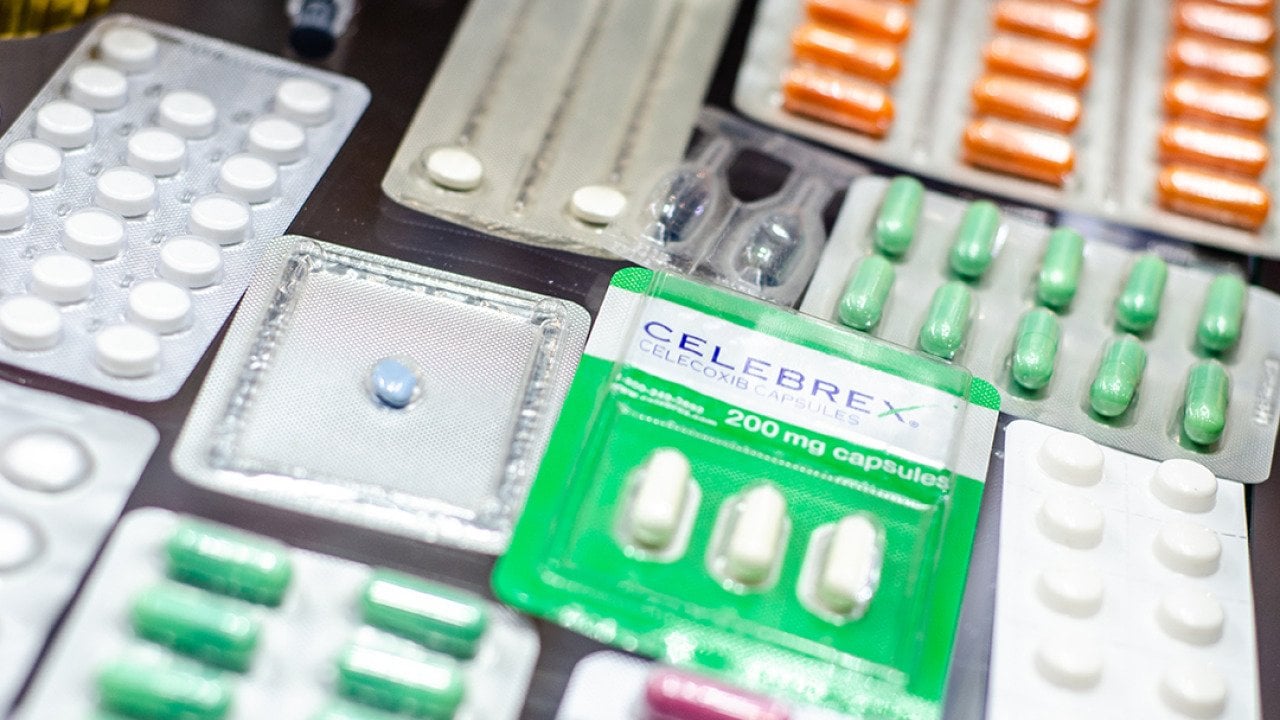
NSAIDs (Nonsteroidal Anti-Inflammatory Drugs): Reduce pain and inflammation but do not alter disease progression. Examples: Mobic (Meloxicam), Naprosyn (Naproxen), Voltaren (Diclofenac), and Celebrex (Celecoxib)
Corticosteroids: Provide rapid symptom relief during flare-ups but are not intended for long-term disease control. Example: Prednisone
JAK (Janus Kinase) Inhibitors: Block the activation of STAT proteins, which are responsible for the inflammation and joint damage seen in RA, effectively reducing pain and swelling. Examples: Xeljanz (Tofacitinib), Olumiant (Baricitinib), and Rinvoq (Upadacitinib)
Top 12 Rheumatoid Arthritis Medications
Here is a list of the most commonly prescribed RA medications, including both traditional and newer options.
1. Xatmep (Methotrexate)
An oral solution form of methotrexate often used for pediatric RA, Xatmep reduces inflammation and slows joint damage. Typically, adults will use the oral tablet form of methotrexate instead of the oral solution due to stability and cost.
2. Arava (Leflunomide)
A DMARD that works for adults who cannot tolerate methotrexate. It helps control disease activity and inflammation.
3. Xeljanz (Tofacitinib)

antoniodiaz // Shutterstock
The holidays can be a delightful time—full of traditions, loved ones, and moments you want to make special. Between gifts, gatherings, and seasonal events, holiday spending can add up fast.
And if your bank account took a hit—or you went over your budget—try not to be too hard on yourself. It happens, and it’s absolutely possible to bounce back. You can learn to manage financial setbacks, including holiday overspending, one step at a time.
Ready to take steps to recover? Freedom Debt Relief shares a few hardcore ways to get your budget back on track after the holidays.
Key Takeaways:
- Even if you go into the holiday season with a plan, you may still overspend.
- Don’t let holiday debt stop you from making progress in reaching your financial goals.
- You can learn from your mistakes by taking action to get your budget back on track after the holidays.
Commit to a No-Spend Month Challenge
If you took on some holiday shopping debt, a great way to get back on track is to commit to a no-spend month. A no-spend month is a budgeting challenge where you only spend on essential bills and expenses. For example, rent or mortgage payments, utilities, groceries, gas, and monthly debt repayments.
Many people decide to try a no-spend challenge at the start of the new year. This can be a great way to pay yourself back for any overspending during the holidays. The money you save by side-stepping impulse purchases could also help you build an emergency savings fund.
Make it Harder to Shop
If you’re worried that your online shopping habits may undermine your financial goals, adding a few barriers could help.
These moves could make it harder to hit the checkout button:
- Remove saved payment methods. Most shopping apps and retailer websites let you save your credit card details to make checkout faster in the future. Deleting saved payment methods can force you to pause before every purchase.
- Delete shopping apps. Mobile apps for your favorite retailers make shopping more convenient, and having these apps on your phone could lead you to overspend. Now is a good time to delete these apps so you can focus on your goals.
- Unsubscribe from retail marketing emails. A constant flow of sales emails hitting your inbox is intended to encourage you to spend more money. Unsubscribe from these emails to reduce the temptation to shop.
Revisit Your Big Financial Goals
After holiday overspending, big financial goals might feel overwhelming or out of reach. A few simple steps could keep your momentum going.
Take some time to review your bigger money goals, then break them down into smaller milestones. That can make your goals feel more manageable.
Let’s say you want to pay off $7,800 of credit card debt in the next 12 months. Instead of focusing on a large sum, break it down into smaller c

Andrey_Popov // Shutterstock
After an accident, you may feel overwhelmed and eager to put the ordeal behind you. Unfortunately, insurance companies know that and often present accident settlement offers quickly, hoping you will accept without fully understanding your rights or the true value of your claim.
Some Reasons Not to Accept the First Settlement Offer
When insurance adjusters contact you with first settlement offers, remember that insurance companies are businesses focused on protecting their bottom line, not ensuring your full recovery. Understanding why you should be cautious about accepting initial accident settlements can help protect your legal rights and financial future, Morgan, Collins, Yeast & Salyer report.
The Initial Offer Is Likely Too Low
Insurers routinely send minimal first settlement offers, banking on the fact that many accident victims accept these proposals without question. Claim adjusters understand that you are facing medical bills and lost wages, making you vulnerable to accepting far less than your case warrants. By presenting a quick offer, they hope you will make the same mistake countless injury victims have made.
You Might Not Yet Know How Badly You Are Hurt
Some injuries reveal their full severity gradually over time. For example, some accident victims with traumatic brain injuries remain unaware of their TBI for weeks or even months following the incident. Accepting an early settlement before understanding the full extent of your injuries could leave you without resources for future medical treatment. Waiting until you are sure about your condition — whether you have fully recovered or understand your ongoing medical needs — protects your ability to seek appropriate compensation.
You Need Good Medical and Legal Advice First
Before considering any settlement offer, consulting with medical professionals and our accident attorneys ensures you understand both your injuries and your legal options. Detailed medical documentation significantly strengthens your case, while personal injury lawyers have the experience and resources to evaluate whether an offer reflects fair compensation for your damages.
You Need Time to Heal
Your recovery should be your primary focus after an accident. Rushing into a settlement while you are still healing prevents you from accurately assessing how your injuries affect your daily life and ability to provide for your family. Taking adequate time to recover allows you to understand the long-term impact of your injuries on your work capacity, quality of life, and family responsibilities.
You Only Get One Chance
Once you sign settlement documents and cash a lowball check, your case will be permanently closed, and you cannot return to request additional compensation if complications arise or your condition worsens. Insurance companies count on finality when making low offers. Before acceptin