What rights do you have when insurance denies burn claims?

Kraig Pakulski 0 38 Article rating: No rating

A doctor bandaging a patient's burned left hand.

New Africa // Shutterstock


After suffering a devastating burn injury, the last thing you need is your insurance company denying your rightful claim. Unfortunately, this happens more often than you might think, leaving burn victims struggling with mounting medical bills, lost wages, and immense physical and emotional pain. When insurance companies deny legitimate burn claims without proper justification, they may be acting in bad faith — and you have legal rights that can help you fight back. Understanding these rights is crucial for getting the compensation you deserve and holding insurance companies accountable for their wrongful denials.

Here, Fibich Leebron Copeland & Briggs explains policyholders’ general rights when burn injury claims are denied.

Pro Tip: Document every interaction with your insurance company from day one — keep copies of all correspondence, record phone call dates and times, and save denial letters. This documentation becomes crucial evidence if you need to pursue a bad-faith claim.

Understanding Your Legal Rights Against Bad-Faith Insurance Practices

When insurance companies wrongfully deny burn injury claims, policyholders have powerful legal remedies available. A successful bad-faith claim against an insurer generally entitles the wronged party to receive the full amount of benefits that should have been paid under the policy. Beyond just the original claim amount, you may be able to recover additional financial losses resulting from the insurer’s actions, such as attorney fees or damage to your credit. These additional damages recognize that insurance companies have a duty to act in good faith and deal fairly with their policyholders — especially when those policyholders are dealing with the trauma of burn injuries.

Insurance companies must properly explain and support any claim denial with credible evidence. When they fail to do so, this may constitute grounds for a bad-faith lawsuit. Working with a burns lawyer can help you understand whether your insurance company’s denial crosses the line into bad-faith territory.

Pro Tip: State laws require insurance companies to respond to claims within specific time frames. If your insurer is dragging its feet or giving you the runaround, this delay itself might constitute bad faith, even before an official denial.

The Insurance Bad-Faith Claims Process: What to Expect

Understanding the timeline and process for challenging an insurance denial can help put your mind at ease during this difficult time. While every case is unique, most bad-faith insurance claims follow a predictable pattern that your burns lawyer can guide you through. The process typically begins with a thorough review of your policy, the denial letter, and all communications with the insurance company to identify specific violations of their duties to you.

  • Initial claim denial review and documentation gathering (typically 1-2 weeks)
  • Formal appeal to the insurance company with supporting evidence (30-60 days for response)
  • Filing a bad-faith lawsuit if the appeal is unsuccessful
  • Discovery phase, where both sides exchange evide

$17 million theft from MLB star Shohei Ohtani: What happened and why

Kraig Pakulski 0 26 Article rating: No rating

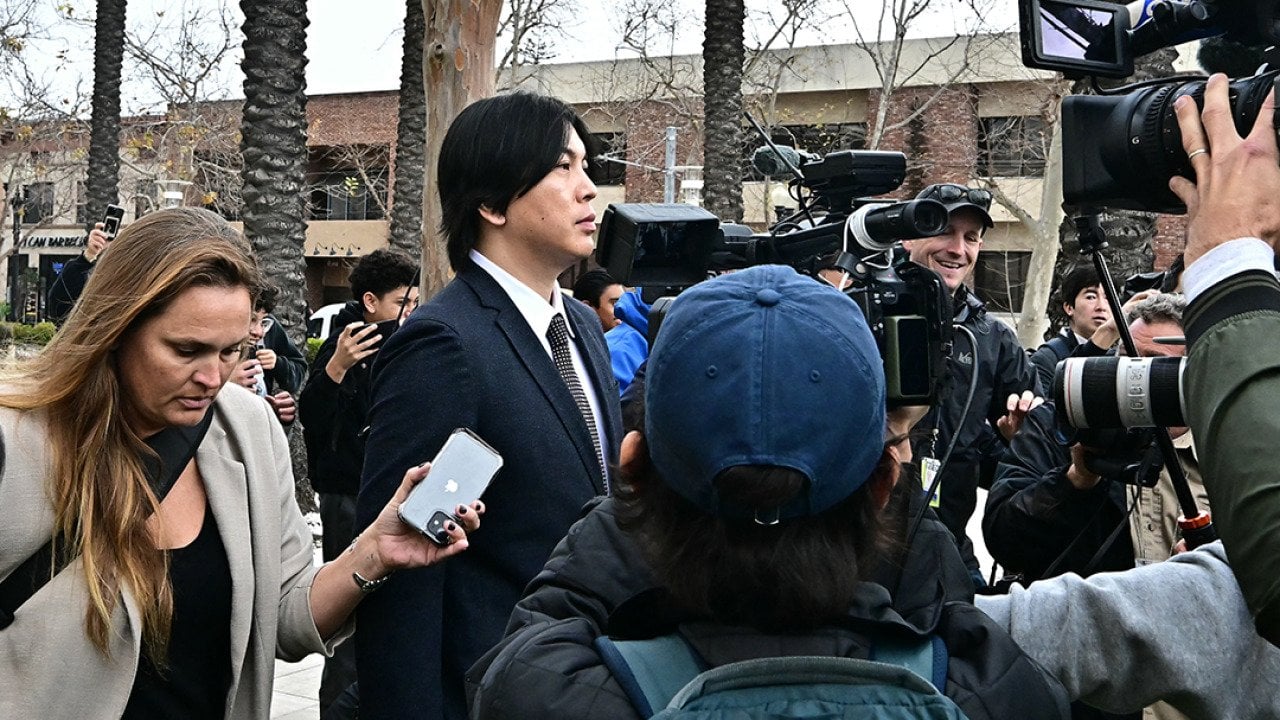
Japanese interpreter, Ippei Mizuhara, leaves the Ronald Reagan Federal Building and Courthouse in Santa Ana, California, on February 6, 2025.

FREDERIC J. BROWN // AFP via Getty Images


Shohei Ohtani is one of baseball’s defining talents. He is a two-way star, global icon and two-time World Series champion with the Los Angeles Dodgers. His recent postseason run, including a historic 10-strikeout, 3-home run performance that pushed the Dodgers back to the Fall Classic, has only reinforced his status as a generational player. But at the height of his success, Ohtani was the target of financial betrayal.

In 2024, his longtime interpreter, Ippei Mizuhara was accused of stealing $17 million from Ohtani’s personal bank account to pay illegal gambling debts. Prosecutors later revealed Mizuhara had impersonated Ohtani more than two dozen times to authorize wire transfers. Mizuhara has been sentenced to five years in prison. Though Ohtani was fully exonerated, the case exposed a core vulnerability shared by many high-net-worth individuals: When one trusted insider has too much access and too little oversight, even the most successful, well-advised person can be left exposed. Comerica shares five lessons to learn from Shohei Ohtani’s story.

In 2024, Ohtani signed a $700-million contract with the Dodgers, setting a new record for professional sports in North America.

1. Keep clear lines between support and control

For years, Ippei Mizuhara was far more than Shohei Ohtani’s interpreter. He coordinated travel, handled media, managed daily logistics, and even sat in on meetings with Ohtani’s financial advisors. The level of access blurred professional boundaries. Over time, it gave Mizuhara visibility into nearly every part of Ohtani’s life, including enough authority to quietly manipulate banking details without detection.

Lesson: Don’t let one person sit at every intersection of your personal and financial life. Divide responsibilities among separate professionals — for example, a business manager, CPA and personal assistant — and make sure every key decision involves more than one set of eyes.

2. Require professional oversight for anyone handling money

Mizuhara was a trusted confidant, not a licensed fiduciary.

He helped Ohtani open his personal bank account in 2018 and later used that access to impersonate him in more than two dozen phone calls. Those conversations authorized wire transfers that moved $17 million out of Ohtani’s account and into the hands of an illegal bookmaker.

With professional oversight, those transfers would have hit a wall. A licensed fiduciary would have required written approval, dual verification and full documentation. Alerts would have reached multiple parties, and the unusual activity would have been stopped before it ever left the account.

Lesson: Anyone with authority over your money should be vetted, credentialed and bound by fiduciary duty. Use licensed professionals or a corporate trustee for money movement, and maintain dual authorization for all wire transfers and large payments. Once funds are stolen, recovery, through insurance or restitution, is rarely complete.

Professional fiduciaries

Will I need to appear in court for a car accident case?

Kraig Pakulski 0 24 Article rating: No rating

Two drivers arguing after a road accident.

Monkey Business Images // Shutterstock


You do not always have to go to court after a car accident. In fact, most cases settle well before reaching that point.

If the insurance company agrees to pay a fair amount and both sides feel satisfied, you could close your case without filing a lawsuit. However, if you cannot agree on who caused the crash or how much money the claim is worth, a car accident court hearing might be the best way to move forward. Morris, King & Hodge, P.C. discusses what to expect if you’ve been in a car accident.

Common Reasons a Case Might End Up in Court

After a car accident, most people want to settle the matter quickly — and fairly — and move on. As a result, many claims settle without anyone stepping inside a courtroom. However, in some situations, one or both sides decide to take the case to court.

Some examples of common reasons for pursuing car accident claims in court include:

  • Insurers refusing to pay fair amounts – Sometimes, the other driver’s insurance company offers much less than what the case is truly worth. If the two sides cannot agree on how much money should cover things like medical bills, lost wages, pain, and suffering, the injured party might file a lawsuit to let the court decide.
  • Parties lacking clear evidence – If an accident happens without good witnesses, videos, or physical evidence, both sides might present significantly different stories. A court case gives both sides a chance to bring in experts, cross-examine witnesses, and sort out what really happened.
  • Someone suffering serious injuries – When an accident causes major injuries, there is often more at stake. Medical bills increase, recoveries take longer, and working abilities can change. In such cases, insurers frequently fight harder to avoid paying a substantial amount, which can lead to protracted court battles.
  • Multiple parties are involved – Accident cases involving several drivers, passengers, or insurance companies can get messy. Each side might blame someone else. Filing a lawsuit gives a judge or jury the chance to hear from everyone and decide on responsibility and compensation.

Can You Settle a Car Accident Without Going to Court?

Yes, settling car accident cases out of court is the most common way to resolve these matters. Many people work things out through direct talks between their attorneys and the insurance companies. If both sides agree on the facts and payment, they can sign a settlement agreement and close the case. The process often takes less time, costs less money, and gives you more control over the outcome. It also helps you avoid delays that a court case can bring.

Risks and Benefits of a Car Accident Settlement vs. Trial

A fair settlement lets you resolve your case faster and avoid court costs, though you might end up with less money than the court would award in a personal injury lawsuit. A trial gives you a chance to fight for a higher amount, but it can take longer and cost more. A trial also presents the risk that you could lose your case

Will I need to appear in court for a car accident case?

Kraig Pakulski 0 28 Article rating: No rating

Two drivers arguing after a road accident.

Monkey Business Images // Shutterstock


You do not always have to go to court after a car accident. In fact, most cases settle well before reaching that point.

If the insurance company agrees to pay a fair amount and both sides feel satisfied, you could close your case without filing a lawsuit. However, if you cannot agree on who caused the crash or how much money the claim is worth, a car accident court hearing might be the best way to move forward. Morris, King & Hodge, P.C. discusses what to expect if you’ve been in a car accident.

Common Reasons a Case Might End Up in Court

After a car accident, most people want to settle the matter quickly — and fairly — and move on. As a result, many claims settle without anyone stepping inside a courtroom. However, in some situations, one or both sides decide to take the case to court.

Some examples of common reasons for pursuing car accident claims in court include:

  • Insurers refusing to pay fair amounts – Sometimes, the other driver’s insurance company offers much less than what the case is truly worth. If the two sides cannot agree on how much money should cover things like medical bills, lost wages, pain, and suffering, the injured party might file a lawsuit to let the court decide.
  • Parties lacking clear evidence – If an accident happens without good witnesses, videos, or physical evidence, both sides might present significantly different stories. A court case gives both sides a chance to bring in experts, cross-examine witnesses, and sort out what really happened.
  • Someone suffering serious injuries – When an accident causes major injuries, there is often more at stake. Medical bills increase, recoveries take longer, and working abilities can change. In such cases, insurers frequently fight harder to avoid paying a substantial amount, which can lead to protracted court battles.
  • Multiple parties are involved – Accident cases involving several drivers, passengers, or insurance companies can get messy. Each side might blame someone else. Filing a lawsuit gives a judge or jury the chance to hear from everyone and decide on responsibility and compensation.

Can You Settle a Car Accident Without Going to Court?

Yes, settling car accident cases out of court is the most common way to resolve these matters. Many people work things out through direct talks between their attorneys and the insurance companies. If both sides agree on the facts and payment, they can sign a settlement agreement and close the case. The process often takes less time, costs less money, and gives you more control over the outcome. It also helps you avoid delays that a court case can bring.

Risks and Benefits of a Car Accident Settlement vs. Trial

A fair settlement lets you resolve your case faster and avoid court costs, though you might end up with less money than the court would award in a personal injury lawsuit. A trial gives you a chance to fight for a higher amount, but it can take longer and cost more. A trial also presents the risk that you could lose your case

How education changed in one year under Trump

Kraig Pakulski 0 30 Article rating: No rating

US President, Donald Trump, displaying a signed executive order aimed at closing the Education Department during an event at the White House on March 20, 2025 in Washington, D.C.

Jabin Botsford // The Washington Post via Getty Images


Even with a conservative think tank’s blueprint detailing how the second Trump administration should reimagine the federal government’s role in education, few might have predicted what actually materialized this year for America’s schools and colleges.

Or what might be yet to come.

“2025 will go down as a banner year for education: the year we restored merit in higher education, rooted out waste, fraud and abuse, and began in earnest returning education to the states,” Education Secretary Linda McMahon told The Hechinger Report. She listed canceling K-12 grants she called wasteful, investing more in charter schools, ending college admissions that consider race or anything beyond academic achievement and making college more affordable as some of the year’s accomplishments.

“Best of all,” she said, “we’ve begun breaking up the federal education bureaucracy and returning education control to parents and local communities. These are reforms conservatives have championed for decades — and in just 12 months, we’ve made them a reality.”

McMahon’s characterization of the year is hardly universal. Earlier this month, Senate Democrats, led by independent Sen. Bernie Sanders, called out some of the administration’s actions this year. They labeled federal changes, especially plans to divide the Education Department’s duties across the federal government, as dangerous and likely to cause chaos for schools and colleges.

“Already, this administration has cancelled billions of dollars in education programs, illegally withheld nearly $7 billion in formula funds, and proposed to fully eliminate many of the programs included in the latest transfer,” the senators wrote in a letter to Republican Sen. Bill Cassidy, chair of the committee that oversees education. “In our minds, that is unacceptable.”

So, what really happened to education this year? It was almost impossible for the average observer to keep track of the array of changes across colleges and universities, K-12 schools, early education and education research — and what it has all meant. The Hechinger Report takes a look back at how the education world was transformed.

Higher education

The administration was especially forceful in the Read more

RSS
First37093710371137123714371637173718Last