At what age do people start feeling older and more tired?

Kraig Pakulski 0 28 Article rating: No rating

A tired woman sitting on a bench in the park, taking a break from fitness run.

VH-studio // Shutterstock


Feeling older and more tired is a common experience that many people notice as they move through different stages of life. However, pinpointing the exact age when these sensations begin can be tricky because aging is a highly individual process influenced by genetics, lifestyle, and overall health. Generally, many individuals begin to notice subtle changes in energy levels and physical resilience in their late 30s to early 40s. This period often marks the start of a gradual decline in stamina, recovery speed, and sometimes mental sharpness, Doctronic reports.

Distinguishing Normal Aging from Health-Related Fatigue

It is important to distinguish between normal aging and fatigue caused by underlying health issues. While it is natural to experience some decrease in energy as we age, excessive tiredness or feeling significantly older than one’s years may indicate medical conditions that require attention. Tools like AI-powered telehealth services can help individuals monitor these changes and seek timely advice.

The Role of Lifestyle in Managing Aging and Energy Levels

As we delve deeper into the factors affecting aging and fatigue, it’s essential to consider the role of lifestyle choices. Regular physical activity, a balanced diet rich in nutrients, and adequate sleep can significantly mitigate the effects of aging. Engaging in exercises that promote cardiovascular health and strength training can enhance muscle mass and endurance, which are crucial as people age. Moreover, mental health plays a pivotal role; stress management techniques such as mindfulness and meditation can improve not only mental clarity but also physical energy levels. Therefore, adopting a holistic approach to health can make a substantial difference in how people experience aging.

The Power of Social Connections and Emotional Well-Being

Additionally, social connections and community involvement are often overlooked yet vital components of maintaining vitality as we age. Studies have shown that individuals who engage in social activities and maintain strong relationships tend to report higher levels of happiness and lower levels of fatigue. Whether it’s joining a book club, participating in community service, or simply spending time with friends and family, these interactions can provide emotional support and a sense of purpose, both of which are crucial for combating feelings of fatigue and the perception of aging. As people navigate the complexities of growing older, recognizing and nurturing these aspects of life can lead to a more fulfilling and energetic experience.

Biological Changes That Contribute to Feeling Older

Physical decline and energy levels

As people enter their 40s and 50s, the body undergoes several physiological changes that can lead to feelings of tiredness and aging. Muscle mass and bone density tend to decrease, which can reduce overall strength and endurance. Metabolism also

The year-end builder rush: Why December deadlines can work in your favor

Kraig Pakulski 0 20 Article rating: No rating

A woman holding a small figure of a Christmas home with her right hand and a house key with her left.

Yehez.Picture // Shutterstock


Homebuyers looking for leverage in a still-tight housing market may find it in December, as builders step up efforts to meet fiscal-year targets, clear out quick move-in (QMI) inventory, and ramp up incentives to cap off the year.

Housing activity tends to slow at the end of the year, according to the National Association of Realtors’ seasonal analysis. Buyer traffic typically falls from December through February, reducing competition and giving remaining shoppers more time and more room to negotiate.

With fewer offers coming in, builders can move quickly to strike deals, particularly on homes that are ready for immediate delivery. NewHomeSource shares four reasons to consider pushing your timeline up to buy your new home before you ring in the new year.

1. Builders Ramp Up Discounts

The NAHB/Wells Fargo Housing Market Index from this time in 2024 reports that builder confidence held at 46 in December last year. According to NAHB, this tends to lead to significant price cuts and sales made with incentives.

These tactics show a concerted push to close out the year with stronger sales figures, a dynamic that enterprising buyers can take advantage of before January resets the books.

Types of Incentives:

Beyond price cuts, builders employ a range of incentives all over the country, including:

  • Mortgage-rate buydowns
  • Closing-cost credits
  • Upgrade allowances
  • Design-package bonuses 

2. Builders Aim to Clear QMI Inventory

Quick move-in homes, or newly built units ready for occupancy, are a particular focus in December. These homes represent tied-up capital for builders, including carrying and financing costs.

As a result, QMI inventory often receives strong incentives at the end of the year, when builders are most motivated to convert standing units into completed sales.

With seasonal demand down, the pressure to offload this inventory intensifies, giving buyers leverage they won’t find in the spring market.

3. Home Supply Increases

Federal construction data adds another layer. U.S. Census Bureau figures show housing starts climbed sharply in December.

This activity suggests builders are entering the new year with substantial inventory, reinforcing the incentive to move QMI homes quickly during the winter months.

4. Spring Market May Bring Higher Prices, More Competition

While it’s com

Price too low to be true? The cost of using unlicensed bathroom renovation contractors

Kraig Pakulski 0 27 Article rating: No rating

Back view of a construction worker with hands on head as he notices mistakes in a project.

Nicoleta Ionescu // Shutterstock


The home improvement market is a resilient one, with spending projected to top $553 billion in 2026. Some homeowners choose the DIY route, even for major projects. However, complex jobs like bathroom renovations are typically handled by professionals. Industry standards typically require licensed professionals for electrical and plumbing work.

The problem is that hiring bathroom renovation contractors can be expensive, with labor costs making up a significant portion of a typical budget. This can cause some people to look for shortcuts by hiring unlicensed contractors. Working with unlicensed contractors provides one way to make savings. But what are the downsides of failing to recruit experts to reduce bathroom renovation expenses?

An infographic on the true cost of using unlicensed bathroom renovation contractors.

CMK Construction

Unregulated work and its associated costs

The team at CMK Construction has put together an overview of the undesirable outcomes and what homeowners can do to ensure the contractors they hire are licensed, reliable, and suitably skilled.

First and foremost, while unlicensed bathroom renovation contractors may provide far more affordable quotes than their licensed counterparts, the work they carry out will, by its nature, be unregulated. They won’t adhere to the same rules and regulations for everything, from the materials they choose to the way the bathroom’s pipework is fitted.

The most obvious side effect of this reality is the likelihood of mistakes that will require remedial work in the future. Get a cut-price renovation from bathroom renovation contractors without the proper licenses, and you’ll end up having to pay someone else to fix what they got wrong.

Given that one study found that 60% of people regret taking on debt for renovations they later deem unnecessary, there’s a lot at stake. With 80% of renovation projects exceeding their initial budget, additional repair costs from unlicensed work can significantly impact overall project expenses.

The insurance dilemma

Even if you are happy with the results achieved by unlicensed bathroom renovation contractors, the second stumbling block relates to home insurance. Should you need to make a claim later on, your provider may decide not to pay out on your policy if it discovers that unregulated work has been carried out.

With homeowners’ insurance up by 11.2% year over year, according to the mos

How to avoid the latest online shopping scams

Kraig Pakulski 0 28 Article rating: No rating

Cybersecurity software graphics displayed in front of a user.

TippaPatt // Shutterstock


Holiday shopping online may save time and help you avoid the crowds, but it can also make you a target for financial scammers.

More than half of U.S. shoppers plan to shop online this holiday season, according to new research from the National Retail Federation. And all that online financial activity is especially enticing to digital criminals.

“Fraudsters are good at deceiving online shoppers during the holiday season,” says Roxane Adams, leader of Fraud Operations in Forbright Bank’s Digital Banking division. “They take advantage of the fact that people are busy and spending more than usual, aiming to catch you off guard and steal your financial information.”

To shop online safely this holiday season, it’s important to be aware of the current scams to watch out for and how to avoid becoming a victim:

Package Texting Scam

How it works: A criminal might send deceptive text messages about a package, indicating that you need to respond to ensure delivery of your package. With this scam, the sender is attempting to obtain your personal or financial information by encouraging you to click a link that appears legitimate but is actually a spoofed link.

What to do: When you’re waiting for a package to be delivered, it’s easy to fall for this scam. And fraudsters know that. During the holiday season, be extra vigilant and avoid clicking on links in a text message or email. If you think the message is legitimate, contact the shipping company using their verified phone number or website, rather than contacting via the information provided in the text. If you think the message could be about a package you’re expecting, go to the site where you purchased the item and look up the shipping and delivery status there.

Social Media Shopping Scams

How it works: Many scammers are hiding in plain sight on social media, and the holiday shopping season gives them an ideal opportunity to try to steal your financial information. A fraudster may list an item for sale on social media, and when the customer provides the credit card information during the purchase, the fraudster simply takes the card information and does not provide the purchased item. According to the Federal Trade Commission (FTC), most reports of social media fraud loss are about undelivered goods, with no-show clothing and electronics at the top of the list.

What to do: Before purchasing an item through social media—or any online store—be sure to check out the company first. The FTC recommends searching online for the company name plus “scam” or “complaint” to find out if it’s a legitimate retailer. It’s also important to look at any trusted review sites to see if they have information on the company.

Order Co

Inside the movement to professionalize election administration

Kraig Pakulski 0 21 Article rating: No rating

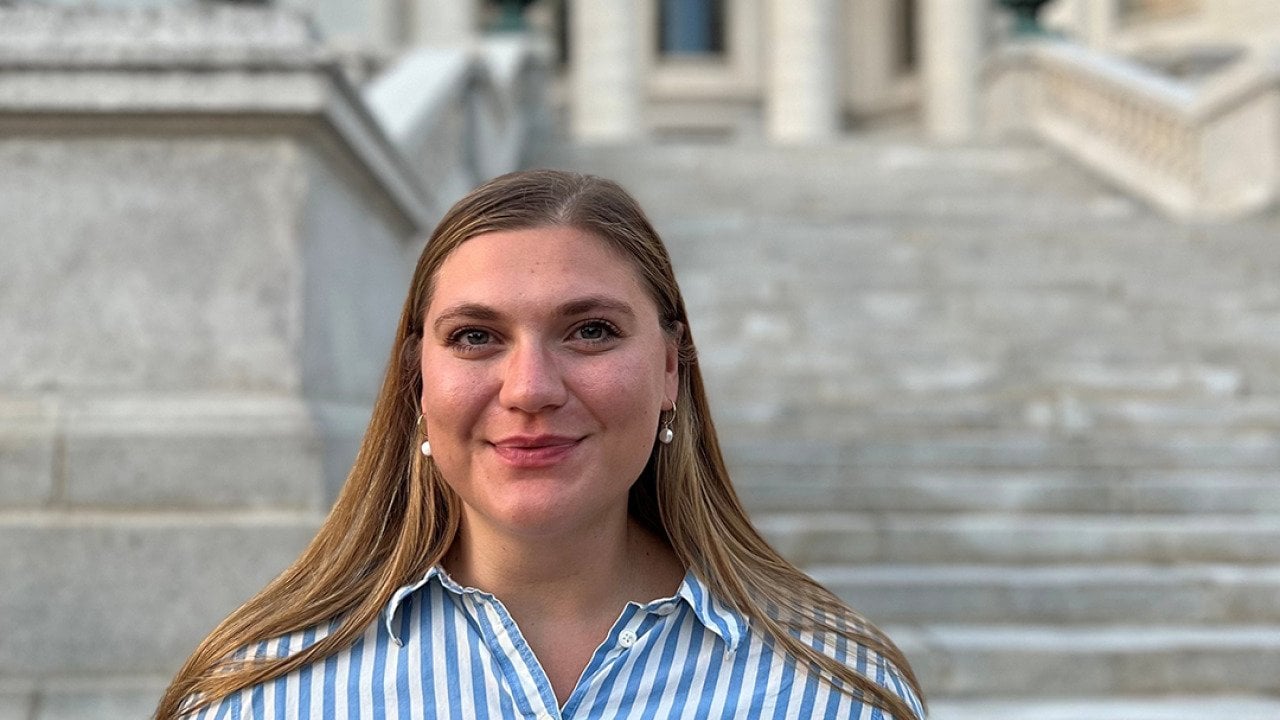
A photograph of Lydia McComas, 28, the new city clerk in Madison, Wisconsin, decided in college that she wanted to be in the election administration field.

Courtesy of Lydia McComas


As a 19-year-old election worker in Hennepin County, Minnesota, Lydia McComas discovered how meaningful it was to help voters navigate the process. Less than a decade later, she’s the city clerk in Madison, Wisconsin, overseeing one of the most scrutinized election offices in the state and working to rebuild trust after last year’s ballot mishandling scandal.

Between those two points, McComas followed an unusually direct path: a college internship supporting elections planning, then a full-time job in a county elections office along with a graduate program in election administration.

She’s part of an emerging generation of officials who set out early and very intentionally, through internships and university training, to make a career out of election work. Driving this movement toward professionalized election administration are veterans of the field who recognize the need to replace retiring clerks and have spent years creating a stronger, more sustainable pipeline.

Together, they are transforming a profession once dominated by civic-minded volunteers and on-the-job learners.

“I’d love for more young people to get involved with election administration and explore it as a future career,” McComas told Votebeat in an interview.

For now, McComas is an outlier in Wisconsin: At 28, she’s among the youngest to hold a municipal clerk position — and one of the few who pursued the election profession, on purpose, from the outset. Nearly 80% of the state’s chief election officials are over 50, and fewer than half have a college degree or higher, according to the Elections & Voting Information Center.

Her rise comes amid historic turnover that highlights the urgency of developing the pipeline of election officials: Between 2020 and 2024, more than 700 of Wisconsin’s municipal clerks left their posts, the highest churn in the nation.

The new generation is fully aware that the job has changed since many of those veteran clerks started, said EVIC research director Paul Manson, with their work under closer public examination and intense political pressure.

McComas’ expertise will be tested

McComas’ new role is about more than elections — she’ll take meeting minutes, process licenses, and handle business registrations, among other duties. But her expertise is connecting with voters, the media, and community partners, and explaining complex election procedures in layman’s terms.

That expertise will be tested immediately in Madison, where trust in the city’s election office is still mending after last year’s controversy over 193 missing ballots. The fallout — investigations, a civil lawsuit, and the suspension and resignation of longtime clerk Maribeth Witzel-Behl — left voters demanding transparency.

“There’s pressure to make sure that everything works well, that the public trusts u

RSS
First44024403440444054407440944104411Last