jittawit21 // Shutterstock
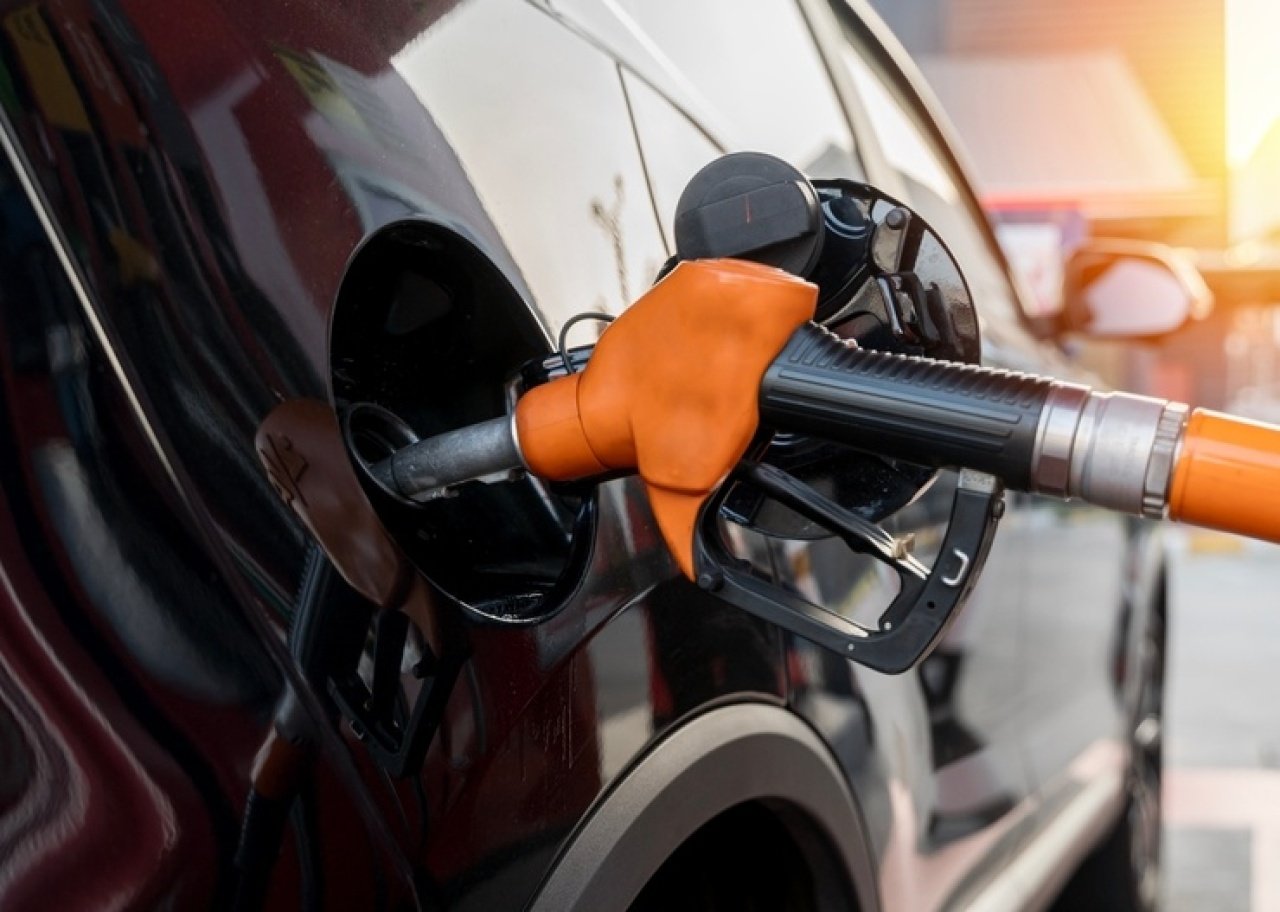
Anyone who drives a car understands the sting of having to fill up their tank and pulling into the gas station, only to discover that gas prices have skyrocketed. Paying extra for gas means you have less to spend on other things, which, over time, can really put a crimp in your budget.
Cheap Insurance explored some of the reasons behind major changes in gas prices, and compiled a list of the cheapest gas stations in every state using data from Gas Buddy.
Gas prices fluctuate based on several factors, including the cost of the key ingredient, crude oil, as well as the available supply and demand for gasoline. If the price of oil rises, a major refinery goes offline, or more drivers are hitting the road, for example, then the cost will increase.
In the first half of 2022, a unique confluence of events led to a surge in gas prices. The increased demand stemming from the COVID-19 pandemic, Russia’s invasion of Ukraine, and a slowdown in oil production all contributed to a national all-time high of $4.93 per gallon on average in June 2022.
Seasons also affect gas prices. Demand tends to drop in winter, but the cost also falls because gas stations switch to a different blend of gasoline that’s optimal for lower temperatures—and has cheaper ingredients.
Location also matters. The South and Midwest tend to have the lowest gas prices, while the West, including Hawai’i, has the highest. Californians, in particular, pay more for gas on average than any other state. That’s because of its high state excise taxes; its isolation from the country’s major pipelines, which causes supply issues; and its requirements that mandate a more environmentally friendly blend of gas that costs more to produce and adds to the price per gallon.
No matter where you live, read on to see if you can get a deal on gas near you.
Alabama
#1. Chevron (4426 Higgins Rd, Mobile): $2.09
#2. Clark (7413 Old Pascagoula Rd, Theodore): $2.15
#3. Chevron (101 Saraland Blvd N, Saraland): $2.18
Alaska
#1. Costco (48 College Rd, Fairbanks): $3.06
#2. Grizzly Ridge (18280 Sterling Hwy, Cooper Landing): $3.11
#3. Speedway Express (3679 College Rd, Fairbanks): $3.14
Arizona
#1. Shell (405 W Speedway Blvd, Tucson): $2.19
#1. ARCO (802 W Speedway Blvd, Tucson): $2.19
#3. Costco (1650 E Tucson Marketplace Blvd, Tucson): $2.25
Arkansas
#1. Valero (8110 Sheridan Rd , White Hall): $1.99
#2. Sam’s Club (7700 Rogers Ave, Fort Smith): $2.08
#3. Valero (9225 US-270, White Hall): $2.09
California
#1. EZ Trip (1451 S Madera Ave, Madera): $3.19
#1. Texaco (1434 W Yosemite Ave, Manteca): $3.19
#3. Yokut Gas Station (17051 Jersey Ave, Lemoore): $3.20
Colorado
#1. Shell (4075 Austin Bluffs Pkwy, Colorado Springs): $1.67
#2. Murphy Express (4010 Lee Vance Dr., Colorado Springs): $1.69

fizkes // Shutterstock
When Americans think about retirement, they tend to focus on housing, travel, and daily living expenses. What often gets overlooked is healthcare, which is one of the highest and most unpredictable costs retirees face.
According to Fidelity, the average 65-year-old retiring today needs about $172,500 to cover their own healthcare expenses in retirement. That estimate excludes long-term care and can be significantly higher for people with complex medical needs. As healthcare costs rise faster than inflation and Americans live longer, the financial impact of medical care in retirement is difficult to ignore.
Yet despite the size of the expense, many retirees fail to plan for healthcare until it’s too late.
Why healthcare costs catch retirees off guard
Healthcare spending in retirement is difficult to estimate. Premiums increase, medical needs change, and coverage options are complex. American retirees are faced with thousands of different Medicare plan options, and comparing them is overwhelming. Mistakes are common and can cost people thousands of dollars each year.
The good news: Retirees who plan ahead and make smart choices can significantly reduce their healthcare costs. Below, My OTC by Chapter shares important steps you can take to offset the cost of healthcare in retirement.
Build healthcare into your retirement budget
If you’re not yet retired, make sure healthcare is a dedicated line item in your retirement budget. While it’s impossible to predict exactly how much you’ll spend—due to changing premiums, inflation, and unexpected health needs—using an average estimate like the $172,500 figure quoted by Fidelity can provide a helpful baseline.
Planning for healthcare early helps prevent surprises and reduces the likelihood of having to cut back on other retirement goals.
Use health savings accounts strategically
Health savings accounts (HSAs) remain one of the most tax-efficient ways to pay for healthcare in retirement. Funds can be used tax-free for qualified medical expenses, including Medicare Part B premiums.
If you’re still contributing, maximizing HSA savings before retirement can provide a dedicated pool of healthcare funds for later in life.
Make smart Medicare decisions
Medicare provides tremendous value to U.S. retirees. Unfortunately, many people are overwhelmed by the number of Medicare options available, and making the wrong choice can cost you thousands of dollars every year. As a result, many retirees seek guidance from licensed Medicare agents to make sense of the system and choose the right coverage.
Choose the right coverage for your needs
Choosing between Original Medicare and