Wu Xiaoling // Xinhua via Getty Images
The U.S. expects to welcome more than 5 million international visitors in 2026 for the FIFA World Cup.
The Trump administration has taken steps to accommodate those visitors, but it’s also taken further initiatives on immigration enforcement that may create challenges as the tournament approaches.
In this article, Manifest Law examines the visa challenges and policy changes affecting international visitors to the 2026 World Cup.
Welcoming World Cup visitors
On one hand, the U.S. is making moves to make sure stadiums are full by taking measures to expedite short-term travel.
FIFA Pass
The administration announced the FIFA Priority Appointment Scheduling System (PASS) in November, saying it would give fans who buy a match ticket the chance to get a faster visa interview for traveling to the U.S. FIFA plans to share more information on the program in early 2026.
Reduced visa wait times
Andrew Giuliani, executive director of the White House FIFA task force, said Wednesday that the administration aims to ensure fans in 80% of the world can secure a visa appointment in less than 60 days. The U.S. Department of State is deploying more than 450 extra staffers in consulates to decrease appointment times.
A series of diplomatic cables obtained by the Associated Press revealed the Trump administration is prioritizing visas for people attending the 2026 World Cup and the 2028 Olympics, also being hosted in the U.S.
Renewed scrutiny of other travelers
While the U.S. seems set to welcome World Cup visitors next year, the administration has also planned to increase scrutiny on other types of travel to the U.S.
In its latest cables, the State Department announced a significant expansion of vetting for individuals seeking H-1B visas. Consular officers are now instructed to review whether an applicant has been involved in activities that could be interpreted as censoring U.S. citizens online, particularly considering new content-moderation regulations coming out of the European Union. If an officer finds evidence suggesting that an applicant participated in or contributed to this type of online censorship, that could become a basis for denying the H-1B visa.
Travel ban
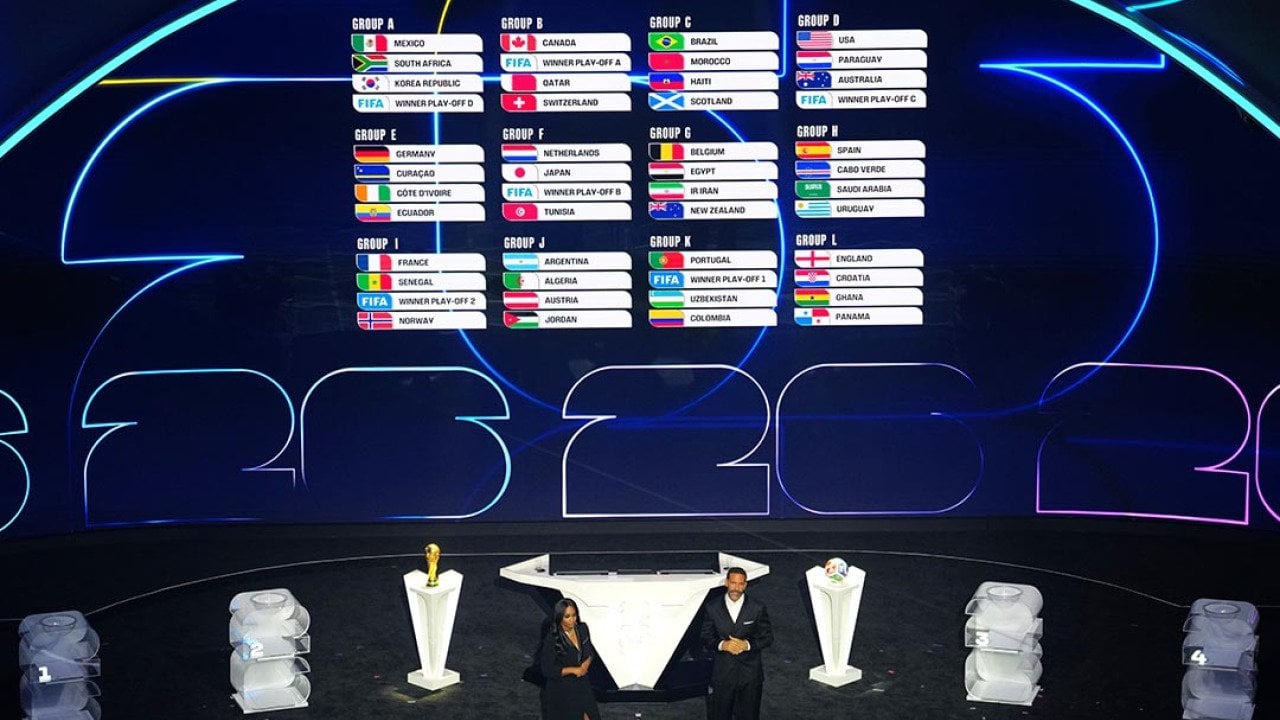
While some countries sending teams to the World Cup are seeing decreased visa appointment times, others are facing full or partial travel bans. An executive order issued in June 2025 placed travel bans on 19 countries, including Haiti and Iran, which both qualified for the World Cup. While there are exceptions for players, coaches, and support staff heading to the tournament, fans from those countries can’t attend.
Twelve countries are subject to a full travel ban, which restricts all immigrant and nonimmigrant visas, while a partial travel ban, which restricts all immigrant and some nonimmigrant visas (including travel, student, and exch