Responsible AI sales ethics: A guide to maintaining customer trust

Kraig Pakulski 0 53 Article rating: No rating

A businesswoman having a virtual call and with illustrations of AI network graphics.

ImageFlow // Shutterstock


As artificial intelligence increasingly becomes embedded in sales workflows, a paradox has emerged. Organizations are rushing to adopt AI tools that promise faster lead scoring, automated follow-ups, and predictive customer insights. Yet at the same time, customer concern about how AI is being used is growing rapidly.

According to 2025 research by RWS, 62% of consumers would trust brands more if they were transparent about their use of AI. Meanwhile, a 2023 Genesys study found 80% of consumers would prefer to be notified if they’re communicating with an AI agent, and 61% of customers believe AI advancements make trustworthiness even more important, according to a 2024 Salesforce study.

This creates a critical challenge: How can sales organizations leverage AI to improve efficiency and results while maintaining the customer relationships that depend on transparency and trust? As more organizations adopt AI sales ethics practices, a clear framework is emerging for how to implement responsible AI in sales while maintaining customer relationships.

The answer to the adoption challenge lies in building responsible AI in sales from the ground up. Ethical AI sales practices aren’t restrictions on innovation—they’re strategic investments that strengthen customer relationships, reduce compliance risk, and drive sustainable revenue growth.

Nutshell outlines an approach to navigating the emerging ethical AI sales landscape, supported by current research and proven best practices.

Key takeaways

  • Transparency builds trust, not fear: 84% of consumers would trust AI more if it demonstrated explainability. Disclosing AI use in sales processes and explaining decision logic strengthens customer relationships rather than undermining them.
  • Human oversight is non-negotiable: Responsible AI in sales requires humans to review, validate, and override AI recommendations. This maintains accountability and prevents algorithms from overshadowing individual customer relationships.
  • Compliance and ethics aren’t optional: GDPR, CCPA, and emerging AI regulations already require documentation and transparency around automated decision-making. Ethical AI practices aren’t constraints on innovation—they’re foundational to sustainable adoption.

The numbers tell a compelling story. Nearly all survey respondents in a 2025 study by McKinsey report that their organizations are using AI, and sales teams that utilize AI are 1.3 times more likely to experience revenue increases. Sales professionals are embracing the technology—Read more

Spicy insights for National Hot Sauce Day from Instacart data

Kraig Pakulski 0 44 Article rating: No rating

Chili oil scooped up with a wooden tablespoon.

masa44 // Shutterstock


As 2026 heats up, Instacart is once again diving into the data to uncover the sauciest trends showing up in kitchens across the U.S. for National Hot Sauce Day (Jan. 22). From classic cayenne favorites to the rising stars of the chili world, this year’s hot sauce landscape is full of bold comebacks, regional standouts, and creative product mashups that prove America’s love of all things spicy is stronger than ever.

Let’s break down what’s hot—and what’s getting hotter.

Top Hot Sauce Brands of 2025

Frank’s RedHot leads as the most-purchased hot sauce on Instacart. Huy Fong Foods remains a major force, claiming the #2 spot. Rounding out the top five are Taco Bell, Cholula, and Texas Pete, each with devoted regional fan bases and national appeal.

A graphic listing the top ten hot sauces by volume sold on Instacart from January to September 2025.

Instacart

The Spice Is Back: Fastest-Growing Hot Sauce Brands

This year’s growth leaders include the classics in addition to exciting newer names. Leading the list is Huy Fong Foods, followed by strong performances from Taco Bell, Mike’s Hot Honey, Melinda’s, and Texas Pete. These brands reflect a broadening interest in both traditional and globally inspired heat.

A graphic listing the top ten hot sauce brands by year-over-year growth in share of total hot sauce sold.

Instacart

One of the biggest flavor trends we’re seeing this year is the rapid rise of hot honey. This shows that consumers are increasingly thinking about how to balance their meals’ spice profile with sweet flavors, drizzling hot honey on everything from pizza to roasted veggies. Its surge in popularity demonstrates that people are always looking for new ways to feel the heat.

State-by-State Spice: Which Hot Sauce Reigns Supreme Where You Live?

Hot sauce loyalty is deeply regional, and our map reveals some clear state-level passions:

  • Frank’s RedHot dominates coast to coast as the most purchased hot sauce on Instacart, taking the top spot in 31 states, including large portions of the Midwest, Northeast, and Mountain West.
  • Louisiana Brand Hot Sauce rules the South, particularly Louisiana (naturally!), Mississippi, Arkansas, and Tennessee.
  • Huy Fong Foods stands strong across the West, especially in states like Idaho, Kansas, New Mexico, Texas, Oregon, Utah, Washington, and

96% of parents agree: Outdoor time instantly boosts kids’ moods

Kraig Pakulski 0 37 Article rating: No rating

Young children running and playing in a sun-filled meadow with long grass and trees in the distance.

David Tadevosian // Shutterstock


A new survey Retrospec conducted with 1,000 American parents uncovered a revealing snapshot of how families navigate outdoor time in a world shaped by screens. From limited time outside to rising device-related challenges, the findings show a mix of concern and optimism.

Half of parents reported that their child spends five hours or less outdoors each week, yet most also said outdoor time clearly benefits their child’s well-being.

The survey explored everything from mood boosts to screen-time struggles and differing parental approaches, a consistent theme emerged: Families value outdoor play and want more of it in their routines.

Key Findings:

  • 49% of parents said their child spends five hours or less outdoors a week.
  • 82% of parents said screens make it harder to motivate their child to go outside.
  • 65% of Gen Z parents said their family argues about screen time when they try to go outside.
  • 21% of parents said their child is only allowed outdoors with an adult present.
  • 96% of parents said getting their child outside improves their mood the same day.
  • 43% of fathers most encourage organized team sports for their child’s outdoor activity, compared to 29% of mothers.
  • 67% of parents most encourage walking, scootering and biking for their child.
  • 63% of parents have spent $100 or more on kid-related outdoor gear in the past 12 months.

Nearly Half of US Parents Say Their Kids Spend 5 Hours or Less Outdoors Weekly

A toddler watching a cartoon on a small tablet with a text overlay reading,

Retrospec

Five hours a week breaks down to roughly 40 minutes a day. This could allude to several barriers to outdoor play: a lack of safe bike lanes or sidewalksparks that require driving, busy family schedules, and after-school commitments that fill the calendar.

Indoor time comes with fewer barriers and often wins by convenience. Many communities are not designed to make independent outdoor play simple or safe. That turns outdoor time into something families have to plan rather than something that unfolds naturally.

Even with these challenges, the numbers suggest there is room for families to reconnect through outdoor moments. Whether through weekend hikes, after-school park visits, or simple backyard time, the desire for more outdoor

Motorcycle insurance and state helmet laws: A 50‑state overview

Kraig Pakulski 0 29 Article rating: No rating

Close up of person holding motorcycle helmet with Harley type motorcycle in the background.

guys_who_shoot // Shutterstock


Motorcycle insurance coverage protects riders and their bikes from financial loss due to liability, collision damage, theft, and other risks. State helmet laws intersect with insurance considerations because helmet use affects injury severity, safety statistics, and sometimes even premium cost factors. Cheap Insurance explores how each state approaches helmet requirements, helping to clarify differences in rider risk profiles and insurance environments across the United States.

Why Helmet Laws Matter

Motorcycle helmets play a critical role in rider safety. Research shows that universal helmet laws, which require helmets for all riders, are associated with higher helmet use rates and lower deaths and serious injuries compared to partial or no helmet laws.

Helmet requirements vary widely across the country. Some states mandate helmets for all riders, while others only impose requirements based on age or experience. A few states have no helmet laws at all.

States With Mandatory Helmet Laws for All Riders

These states require all motorcycle operators and passengers to wear a helmet while riding, regardless of age or experience: Alabama, California, Georgia, Louisiana, Maryland, Massachusetts, Mississippi, Nevada, New Jersey, New York, North Carolina, Oregon, Tennessee, Vermont, Virginia, Washington, and West Virginia.

States With Partial Helmet Laws

In these states, helmet requirements apply only to specific segments of riders, typically based on age, license status, or other conditions. Common conditions include riders under a certain age (often 18 or 21), riders with learner permits, or those without specific

Cheapest gas stations in every state Jan. 15, 2026

Kraig Pakulski 0 30 Article rating: No rating

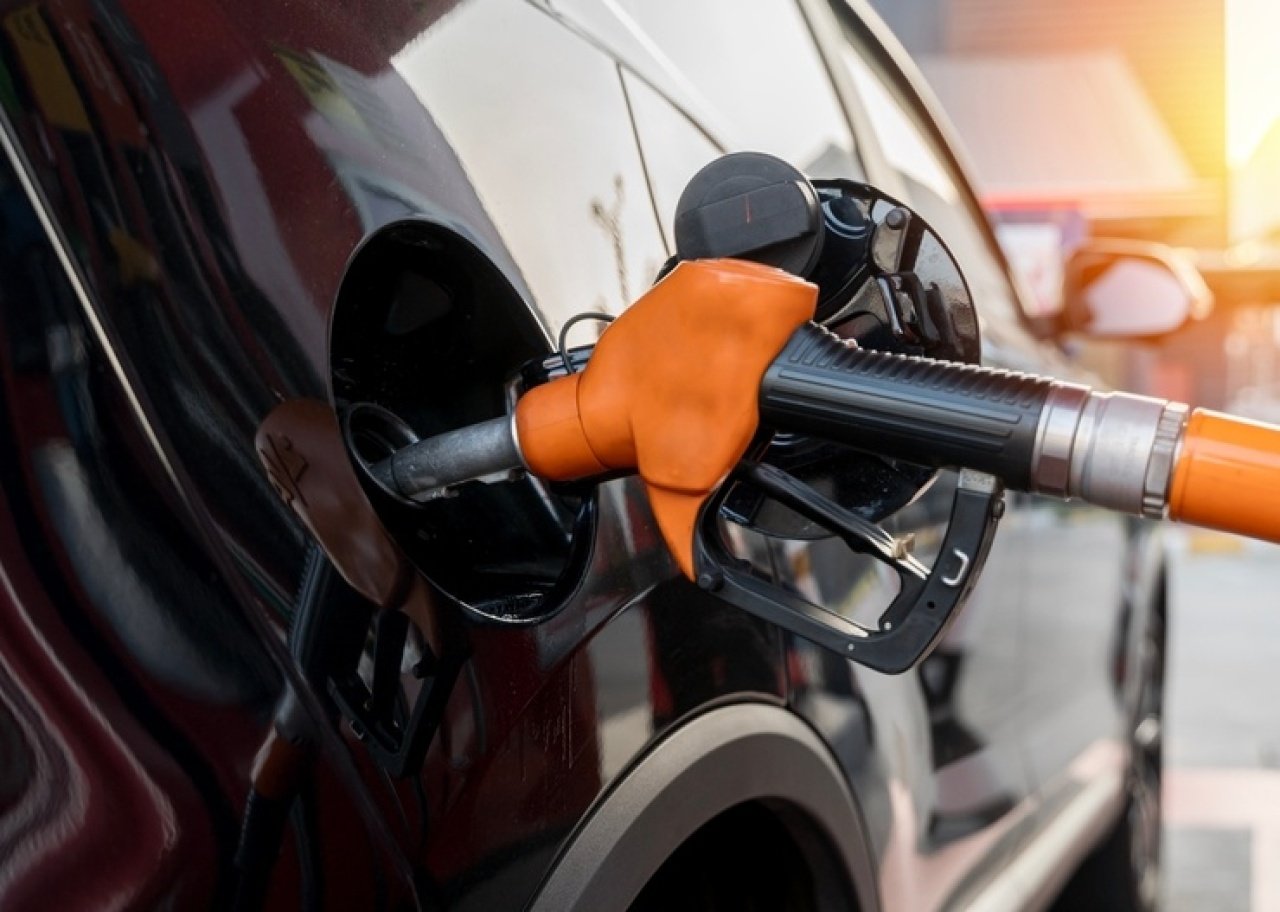
jittawit21 // Shutterstock


Anyone who drives a car understands the sting of having to fill up their tank and pulling into the gas station, only to discover that gas prices have skyrocketed. Paying extra for gas means you have less to spend on other things, which, over time, can really put a crimp in your budget.

Cheap Insurance explored some of the reasons behind major changes in gas prices, and compiled a list of the cheapest gas stations in every state using data from Gas Buddy.

Gas prices fluctuate based on several factors, including the cost of the key ingredient, crude oil, as well as the available supply and demand for gasoline. If the price of oil rises, a major refinery goes offline, or more drivers are hitting the road, for example, then the cost will increase.

In the first half of 2022, a unique confluence of events led to a surge in gas prices. The increased demand stemming from the COVID-19 pandemic, Russia’s invasion of Ukraine, and a slowdown in oil production all contributed to a national all-time high of $4.93 per gallon on average in June 2022.

Seasons also affect gas prices. Demand tends to drop in winter, but the cost also falls because gas stations switch to a different blend of gasoline that’s optimal for lower temperatures—and has cheaper ingredients.

Location also matters. The South and Midwest tend to have the lowest gas prices, while the West, including Hawai’i, has the highest. Californians, in particular, pay more for gas on average than any other state. That’s because of its high state excise taxes; its isolation from the country’s major pipelines, which causes supply issues; and its requirements that mandate a more environmentally friendly blend of gas that costs more to produce and adds to the price per gallon.

No matter where you live, read on to see if you can get a deal on gas near you.

Alabama
#1. Chevron (4426 Higgins Rd, Mobile): $2.09
#2. Alabama National Guard (1730 Cong W L Dickinson Dr, Montgomery): $2.12
#3. Clark (8501 Old Pascagoula Rd, Theodore): $2.13

Alaska
#1. Airport Gas & Oil (4480 Dale Rd, Fairbanks): $3.04
#2. Costco (48 College Rd, Fairbanks): $3.05
#3. Speedway Express (43721 S Parks Hwy, Talkeetna): $3.14

Arizona
#1. ARCO (4881 S Campbell Ave, Tucson): $2.23
#2. ARCO (3601 S Park Ave, Tucson): $2.29
#3. Sam’s Club ( 4701 N Stone Ave, Tucson): $2.32

Arkansas
#1. Valero (9225 US-270, White Hall): $1.99
#2. Walmart (935-1 S Holly St, Siloam Springs): $2.07
#3. Dodge’s Store (209 W 22nd St , Stuttgart): $2.11

California
#1. Rabbit Traxx (580 Patterson St, Cedarville): $3.09
#2. Wintun Mini Mart (3790 State Hwy 45, Colusa): $3.10
#3. Fastrip (1687 CA-99, Gridley): $3.19

Colorado
#1. Murphy Express (4085 Beverly St, Colorado Springs): $1.71
#2. Maverik (4512 Austin Bluffs Pkwy, Colorado S

RSS
First37913792379337943796379837993800Last