
 sdx15 // Shutterstock
Stacker compiled a list of the most Shazamed songs in Los Angeles. Data is as of July 09, 2026. Keep reading to see which of your favorite songs made the list.
#25. Dracula (JENNIE Remix)
– Artist: Tame Impala & JENNIE
– Popularity in other metros
— Top 10 song in two other metros
— Top 20 song in 11 other metros
— Top 25 song in 17 other metros
— Top 50 song in 35 other metros
#24. hate that i made you love me
– Artist: Ariana Grande
– Popularity in other metros
— Top three song in one other metro
— Top five song in two other metros
— Top 10 song in seven other metros
— Top 20 song in 26 other metros
#23. La Cheyenne
– Artist: El De Las R’s
– Popularity in other metros
— Top 25 song in two other metros
— Top 50 song in 14 other metros
#22. Ayúdame
– Artist: LOS DOS DE TAMAULIPAS
– Popularity in other metros
— Top three song in one other metro
— Top five song in two other metros
— Top 10 song in three other metros
— Top 20 song in four other metros
#21. Dancing On My Own
– Artist: Robyn
– Popularity in other metros
— Top five song in one other metro
— Top 10 song in four other metros
— Top 20 song in 24 other metros
— Top 25 song in 32 other metros
#20. Die On This Hill
– Artist: SIENNA SPIRO
– Popularity in other metros
— Top 10 song in five other metros
— Top 20 song in 21 other metros
— Top 25 song in 26 other metros
— Top 50 song in 46 other metros
#19. Desvelado
– Artist: Bobby Pulido
– Popularity in other metros
— Top 20 song in five other metros
— Top 25 song in six other metros
— Top 50 song in 11 other metros
#18. Raindance
– Artist: Dave & Tems
– Popularity in other metros
— Top three song in two other metros
— Top five song in four other metros
— Top 10 song in 11 other metros
— Top 20 song in 18 other metros
#17. Movin’ To The Sun
– Artist: HUGEL, Imael Angel & Ultra Naté
– Popularity in other metros
— Top song in one other metro
— Top three song in two other metros
— Top five song in four other metros
— Top 10 song in seven other metros
#16. Spend Dat
– Artist: Yung Miami
– Popularity in other metros
— Top three song in seven other metros
— Top five song in 19 other metros
— Top 10 song in 37 other metros
— Top 20 song in 47 other metros
#15. Ghetto Love Story

 Maxim Grohotov // Shutterstock
In 2022, the continental United States experienced its third hottest July since 1895, according to data from the National Oceanic and Atmospheric Administration, while 20 states saw one of their 10 hottest days in the same month. The year prior, July marked the hottest month on record worldwide.
Climate change is driving rising temperatures and more record heat. The Earth’s temperature has climbed each decade since 1880 by about .14 degrees Fahrenheit, or roughly 2 degrees Fahrenheit total.
Stacker compiled a ranking of the hottest Julys in California since 1895 using data from the National Centers for Environmental Information. Rankings are based on the highest average temperature in each month. For each of the hottest months listed below, we’ve included the average state temperature, state-wide highs and lows for the month, and the total precipitation.
#9. July 2014 (tie)
– Average temperature: 78.4°F
– Monthly high temperature: 92.7°F
– Monthly low temperature: 64°F
– Total precipitation: 0.22″
#9. July 2005 (tie)
– Average temperature: 78.4°F
– Monthly high temperature: 93.5°F
– Monthly low temperature: 63.2°F
– Total precipitation: 0.14″
#8. July 2003
– Average temperature: 78.7°F
– Monthly high temperature: 93.8°F
– Monthly low temperature: 63.5°F
– Total precipitation: 0.22″
#7. July 2017
– Average temperature: 78.8°F
– Monthly high temperature: 93.7°F
– Monthly low temperature: 63.9°F
– Total precipitation: 0.09″
#6. July 2023
– Average temperature: 79°F
– Monthly high temperature: 94°F
– Monthly low temperature: 63.9°F
– Total precipitation: 0.02″
#5. July 2006
– Average temperature: 79.3°F
– Monthly high temperature: 94.2°F
– Monthly low temperature: 64.4°F
– Total precipitation: 0.15″
#4. July 1931
– Average temperature: 79.5°F
– Monthly high temperature: 95.6°F
– Monthly low temperature: 63.4°F
– Total precipitation: 0.04″
#3. July 2018
– Average temperature: 79.6°F
– Monthly high temperature: 94°F
– Monthly low temperature: 65.1°F
̵

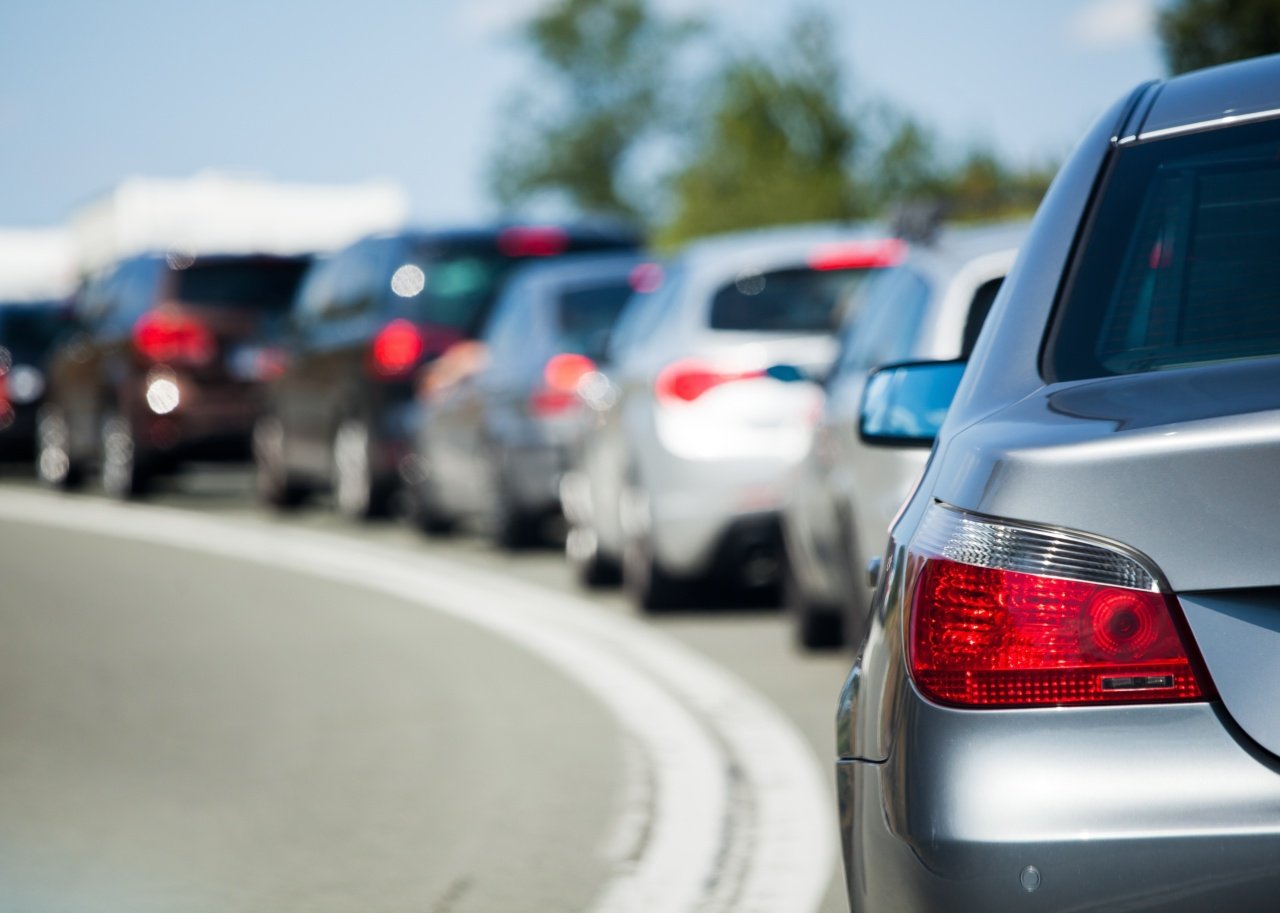 Christian Mueller // Shutterstock
Stacker compiled statistics on gas prices in California using data from AAA. Gas prices are as of July 3.
California by the numbers
– Gas current price: $5.39
– Week change: -$0.10 (-1.8%)
– Year change: +$0.82 (+18.0%)
– Historical expensive gas price: $6.44 (6/14/22)
– Diesel current price: $6.51
– Week change: -$0.13 (-2.0%)
– Year change: +$1.38 (+27.0%)
– Historical expensive diesel price: $7.75 (4/9/26)
Metros with most expensive gas in California
#1. San Luis Obispo-Atascadero-Paso Robles: $5.68
#2. Bakersfield: $5.60
#3. San Francisco: $5.58
#4. Santa Rosa: $5.55
#5. Santa Cruz-Watsonville: $5.52
#6. Santa Barbara-Santa Maria-Lompoc: $5.52
#7. Napa: $5.52
#8. San Rafael: $5.51
#9. Merced: $5.47
#10. Madera-Chowchilla: $5.46
#11. Salinas: $5.46
#12. Oakland: $5.45
#13. San Diego: $5.43
#14. San Jose: $5.41
#15. Los Angeles-Long Beach: $5.40
#16. Sacramento: $5.38
#17. Yolo: $5.37
#18. Ventura: $5.35
#19. Vallejo-Fairfield: $5.34
#20. Fresno: $5.31
#21. Modesto: $5.30
#22. Chico-Paradise: $5.30
#23. Redding: $5.30
#24. Visalia-Tulare-Porterville: $5.29
#25. Hanford-Corcoran: $5.28
#26. Orange County: $5.27
#27. San Bernardino: $5.25
#28. El Centro: $5.24
#29. Riverside: $5.23
#30. Stockton-Lodi: $5.22
#31. Yuba City: $5.07
States with the least expensive gas
#1. Indiana: $3.10
#2. Texas: $3.35
#3. Oklahoma: $3.36
#4. Tennessee: $3.40
#5. Arkansas: $3.42
Read on to see which states have the most expensive gas prices.
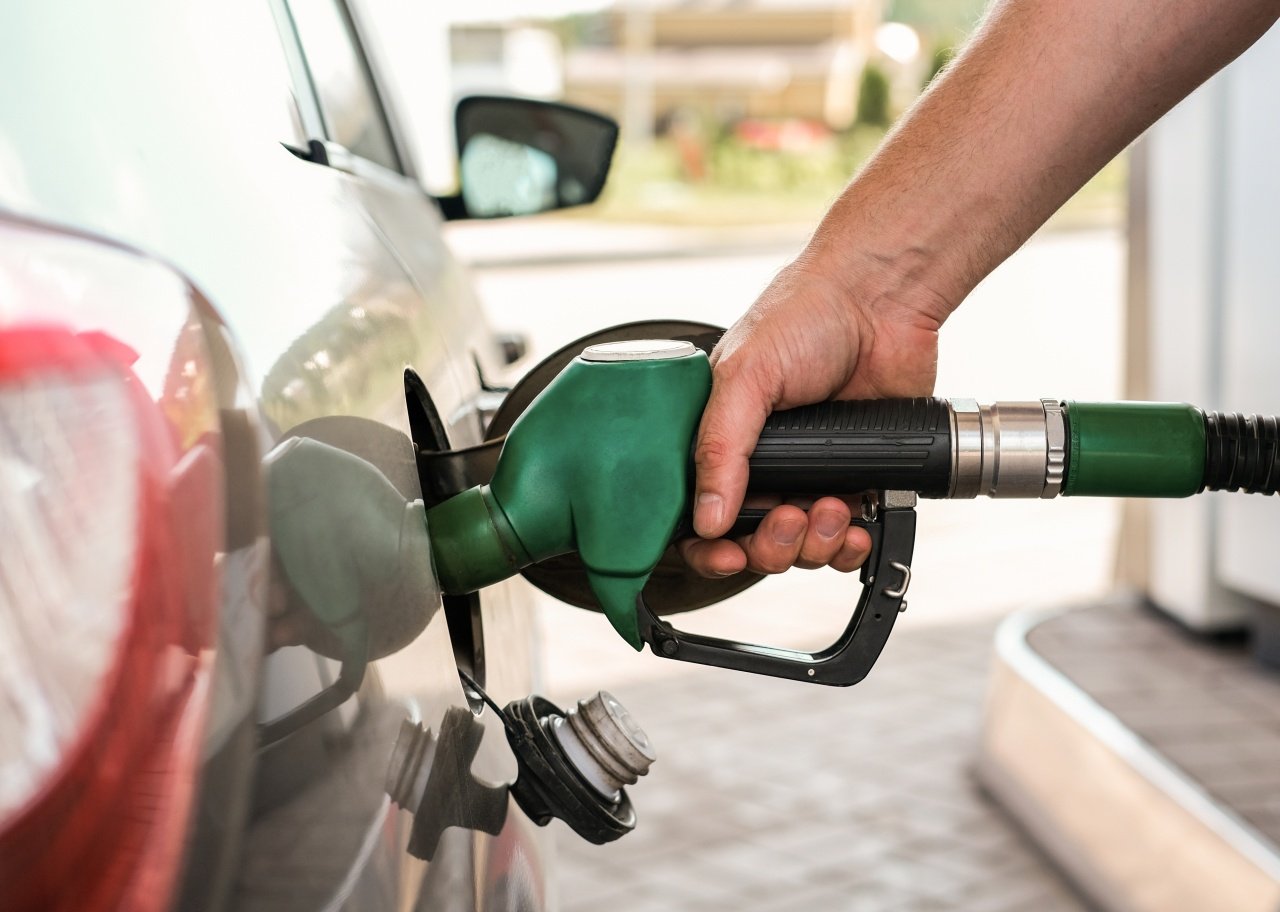 Elen Nika // Shutterstock
#5. Oregon
– Regular gas price: $4.61
 jittawit21 // Shutterstock
#4. Alaska
– Regular gas price: $4.78
 Istvan Csak // Shutterstock
#3. Washington
– Regular gas price: $5.07
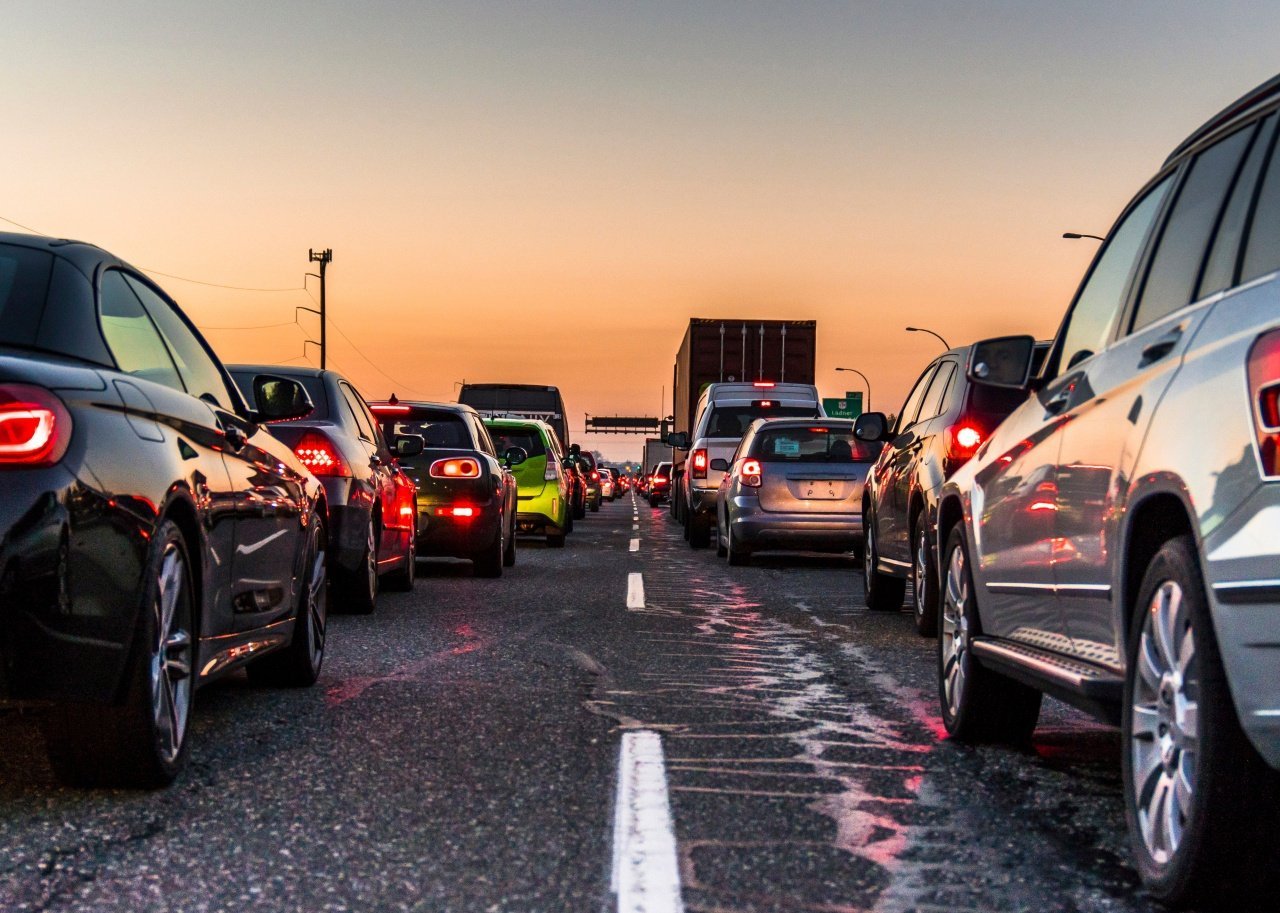 Daniel Avram // Shutterstock
#2. California
– Regular gas price: $5.39

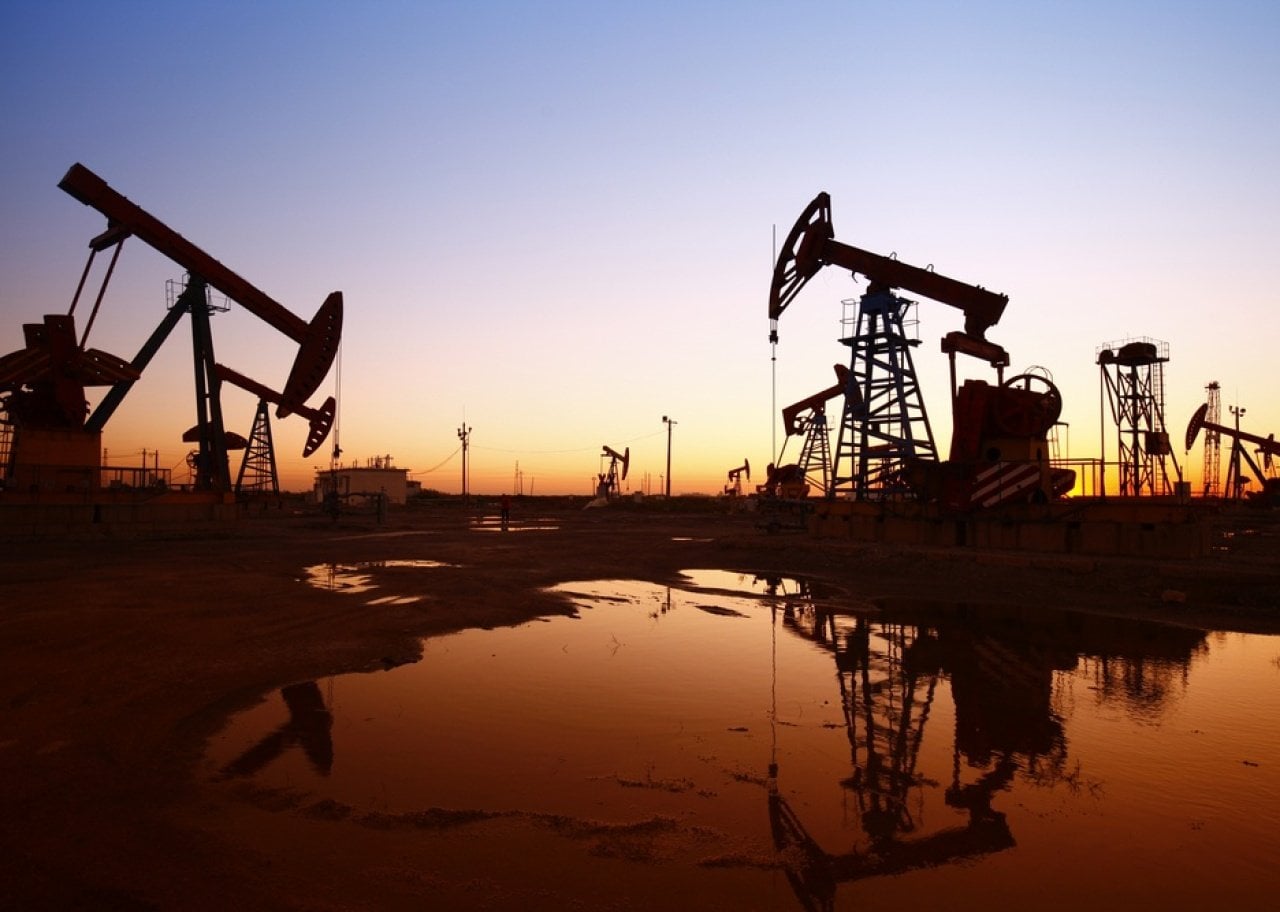 pan demin // Shutterstock
Stacker compiled statistics on gas prices in Los Angeles-Long Beach, CA metro area using data from AAA. Gas prices are current as of July 6.
Los Angeles by the numbers
– Gas current price: $5.39
— California average: $5.38
– Week change: -$0.06 (-1.2%)
– Year change: +$0.84 (+18.3%)
– Historical expensive gas price: $6.49 (10/5/22)
– Diesel current price: $6.62
– Week change: -$0.09 (-1.3%)
– Year change: +$1.52 (+29.9%)
– Historical expensive diesel price: $7.86 (4/8/26)
Metros with the least expensive gas
#1. Lafayette, IN: $2.89
#2. Columbus, IN: $2.95
#3. Fort Wayne, IN: $2.95
Read on to see which metros have the most expensive gas prices.
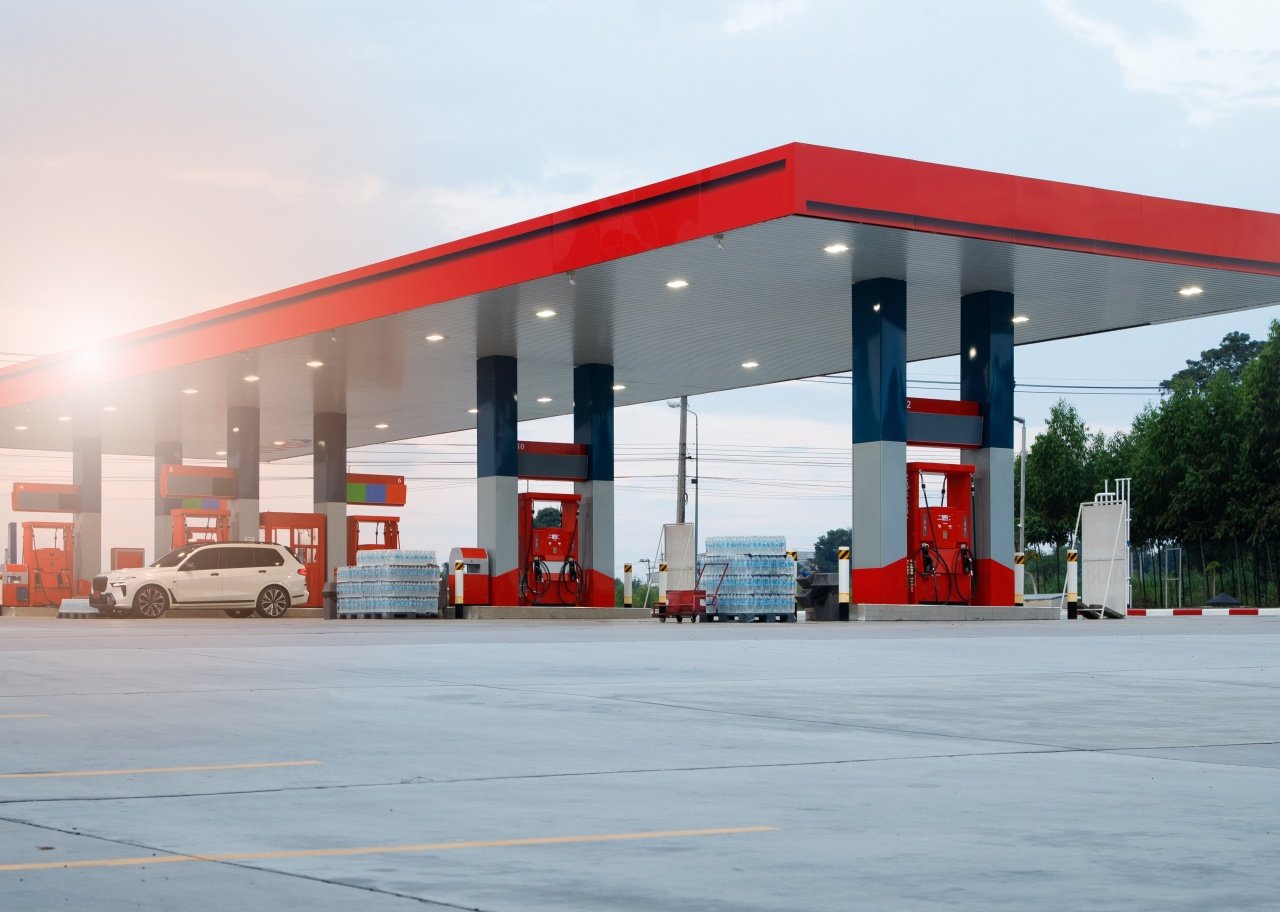 Rangsarit Chaiyakun // Shutterstock
#5. Hilo, HI
– Regular gas price: $5.58
Istvan Csak // Shutterstock
#4. San Francisco, CA
– Regular gas price: $5.58
Elen Nika // Shutterstock
#3. Bakersfield, CA
– Regular gas price: $5.63
Christian Mueller // Shutterstock
#2. San Luis Obispo-Atascadero-Paso Robles, CA
– Regular gas price: $5.67
Daniel Avram // Shutterstock
#1. Lihue (Kauai), HI
– Regular gas price: $5.85
The post How gas prices have changed in Los Angeles in the last week appeared first on News Channel 3-12.

 Natural Earth Imagery // Shutterstock
When pilot Kenneth Arnold took off from Chehalis, Washington, in his single-engine airplane one afternoon in June 1947, he was looking for a lost military aircraft that had crashed. But what he found was something completely different—something that would set off a cultural obsession in the U.S. that persists today.
While flying around Mount Rainier, Arnold reportedly encountered nine curious, wingless objects speeding through the sky at 1,200 mph, faster than any plane at the time could. Arnold spent years afterward trying to describe what he had seen, reportedly using a term that has been ingrained in the American lexicon ever since: “flying saucer.”
Since then, Americans have been uniquely fixated on the idea that aliens are somewhere in the sky above us—and the number who believe that to be true is growing. In 2019, a Gallup survey found that 33% of Americans believed some UFOs were alien spacecrafts, while 60% felt they could all be explained by human activity or some natural phenomenon. Just two years later, in 2021, 41% of respondents said they believed at least some UFOs were alien-related compared to 50% who were confident any sightings could be explained by human behavior or scientific events.
There are two main reasons that belief in aliens has become so prevalent in the United States: government hearings and pop culture.
America’s film industry has always been one of the most influential in the world, and a wave of science fiction films in the 1950s, like “The Day the Earth Stood Still” and “Invasion of the Body Snatchers,” perpetuated the idea that there are other life-forms out there. This continues today with alien-centric sci-fi staples like the “Avatar” franchise and the “Quiet Place” movies dominating the box office.
Rather than leave flying saucers to the domain of Hollywood, the U.S. government has addressed the question of UFOs, only adding further speculation. In April 2020, the Department of Defense released multiple videos filmed by military pilots that were thought to possibly capture UFOs. In July 2023, an Air Force veteran came forward to the House of Representatives claiming that the U.S. military has been keeping important information on “nonhuman” sightings secret since the 1930s.
Just like it did in the 1950s amid Cold War paranoia, the lore of UFOs is also currently experiencing a re