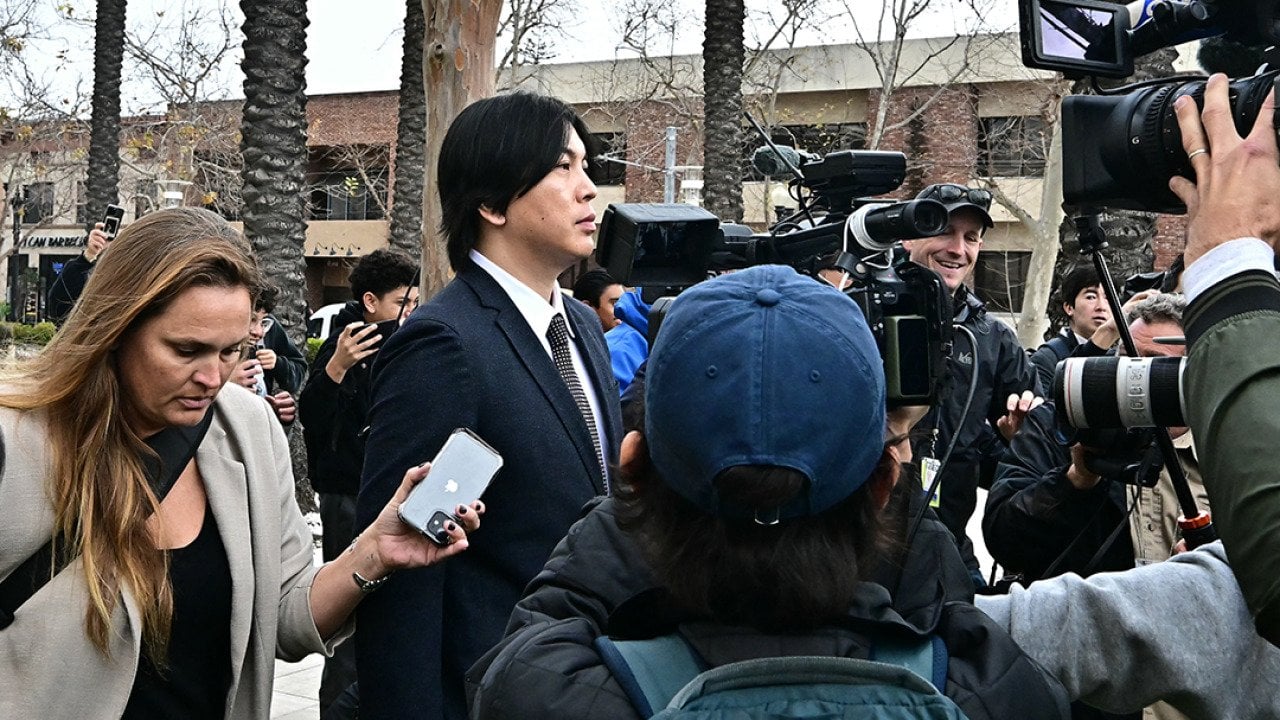
FREDERIC J. BROWN // AFP via Getty Images
Shohei Ohtani is one of baseball’s defining talents. He is a two-way star, global icon and two-time World Series champion with the Los Angeles Dodgers. His recent postseason run, including a historic 10-strikeout, 3-home run performance that pushed the Dodgers back to the Fall Classic, has only reinforced his status as a generational player. But at the height of his success, Ohtani was the target of financial betrayal.
In 2024, his longtime interpreter, Ippei Mizuhara was accused of stealing $17 million from Ohtani’s personal bank account to pay illegal gambling debts. Prosecutors later revealed Mizuhara had impersonated Ohtani more than two dozen times to authorize wire transfers. Mizuhara has been sentenced to five years in prison. Though Ohtani was fully exonerated, the case exposed a core vulnerability shared by many high-net-worth individuals: When one trusted insider has too much access and too little oversight, even the most successful, well-advised person can be left exposed. Comerica shares five lessons to learn from Shohei Ohtani’s story.
In 2024, Ohtani signed a $700-million contract with the Dodgers, setting a new record for professional sports in North America.
1. Keep clear lines between support and control
For years, Ippei Mizuhara was far more than Shohei Ohtani’s interpreter. He coordinated travel, handled media, managed daily logistics, and even sat in on meetings with Ohtani’s financial advisors. The level of access blurred professional boundaries. Over time, it gave Mizuhara visibility into nearly every part of Ohtani’s life, including enough authority to quietly manipulate banking details without detection.
Lesson: Don’t let one person sit at every intersection of your personal and financial life. Divide responsibilities among separate professionals — for example, a business manager, CPA and personal assistant — and make sure every key decision involves more than one set of eyes.
2. Require professional oversight for anyone handling money
Mizuhara was a trusted confidant, not a licensed fiduciary.
He helped Ohtani open his personal bank account in 2018 and later used that access to impersonate him in more than two dozen phone calls. Those conversations authorized wire transfers that moved $17 million out of Ohtani’s account and into the hands of an illegal bookmaker.
With professional oversight, those transfers would have hit a wall. A licensed fiduciary would have required written approval, dual verification and full documentation. Alerts would have reached multiple parties, and the unusual activity would have been stopped before it ever left the account.
Lesson: Anyone with authority over your money should be vetted, credentialed and bound by fiduciary duty. Use licensed professionals or a corporate trustee for money movement, and maintain dual authorization for all wire transfers and large payments. Once funds are stolen, recovery, through insurance or restitution, is rarely complete.
Professional fiduciaries